Are flushable wipes actually safe for your plumbing and septic system?
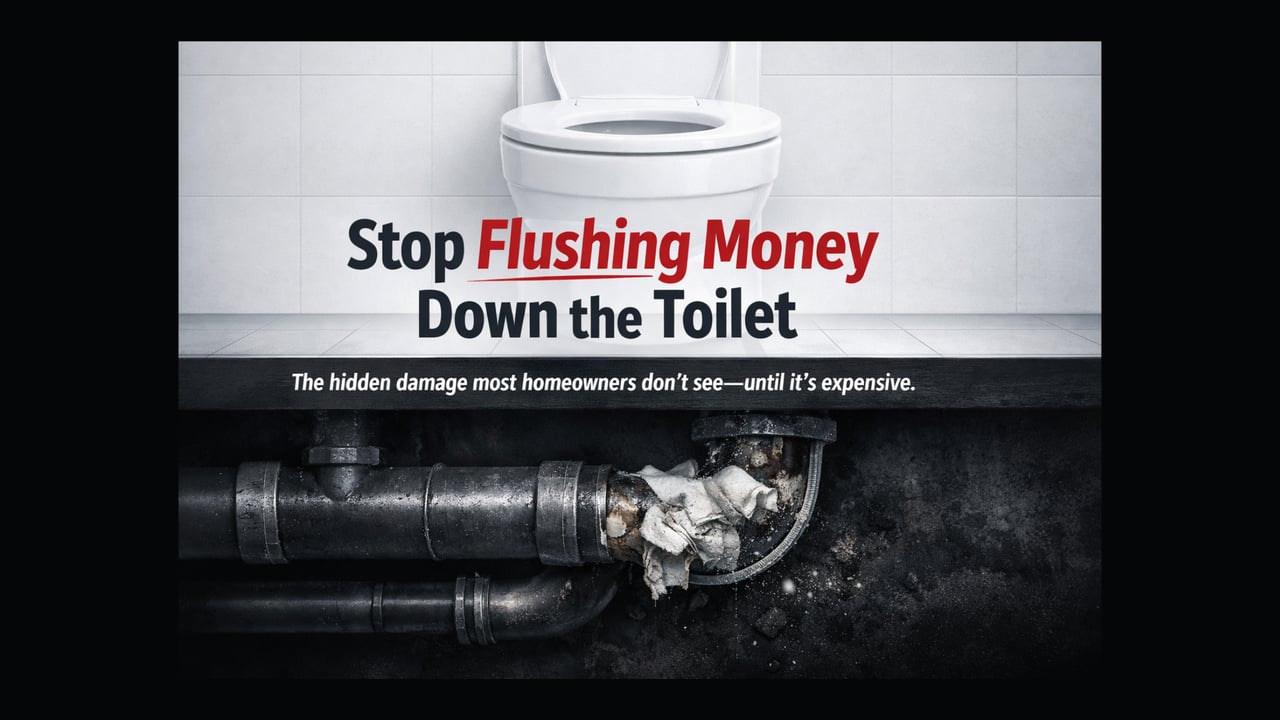
Not really—despite the label, they’re one of the most common causes of costly plumbing and septic issues in homes today.
What Does “Flushable” Really Mean?
The term flushable wipes is misleading. While these products may technically pass through a toilet, that doesn’t mean they break down properly once inside your plumbing system.
Unlike toilet paper, which is designed to disintegrate quickly in water, wipes are made with durable fibers that hold together. According to industry groups like the International Association of Plumbing and Mechanical Officials (IAPMO) and the National Association of Clean Water Agencies (NACWA), many wipes remain intact long after flushing—leading to blockages both in homes and municipal systems.
How Flushable Wipes Damage Your Plumbing
When you flush wipes, they don’t dissolve—they accumulate.
Here’s what that can lead to:
- Pipe blockages: Wipes can snag inside pipes and collect other debris
- Sewer backups: Over time, buildup can cause wastewater to back up into your home
- Increased maintenance costs: Routine plumbing calls become more frequent
- Damage to older pipes: Especially in homes with aging plumbing systems
Professional plumbers consistently report that wipes are one of the top culprits behind residential clogs—even more than grease or hair in some cases.
The Impact on Septic Systems
If your home uses a septic system, the risks are even greater.
Septic systems rely on natural bacterial processes to break down waste. Flushable wipes disrupt this process because they don’t decompose efficiently.
This can result in:
- Faster tank fill-up, requiring more frequent pumping
- Clogged drain fields, which are expensive to repair
- System failure, potentially costing thousands to replace
The Environmental Protection Agency (EPA) and septic industry professionals warn that non-biodegradable materials like wipes can significantly shorten the lifespan of a septic system.
Why This Matters When Buying or Selling a Home
Plumbing and septic issues aren’t just inconvenient—they can directly impact a home’s value and inspection results.
- Hidden plumbing damage could mean unexpected repairs after closing
- Septic system issues can delay or derail a transaction
- A history of backups or plumbing problems can raise red flags during inspection
- Preventative care helps protect your home’s condition and perceived value
Understanding simple habits—like what not to flush—can help you avoid expensive surprises on either side of a transaction.
What Should You Flush Instead?
To protect your home’s plumbing, follow this simple rule:
Only flush the “3 Ps”:
- Pee
- Poop
- (Toilet) Paper
Everything else—including wipes (even labeled flushable), paper towels, hygiene products, and cotton items—should go in the trash.
The Bottom Line
Flushable wipes may seem convenient, but they can quietly cause serious and expensive damage to your plumbing and septic system. A small habit change today can save you thousands in repairs—and protect your home’s long-term value.
Want More Smart Homeownership Tips?
Staying informed about simple maintenance habits can make a big difference in protecting your investment.
Follow for more tips on how to care for your home, avoid costly mistakes, and stay ahead of common issues.