
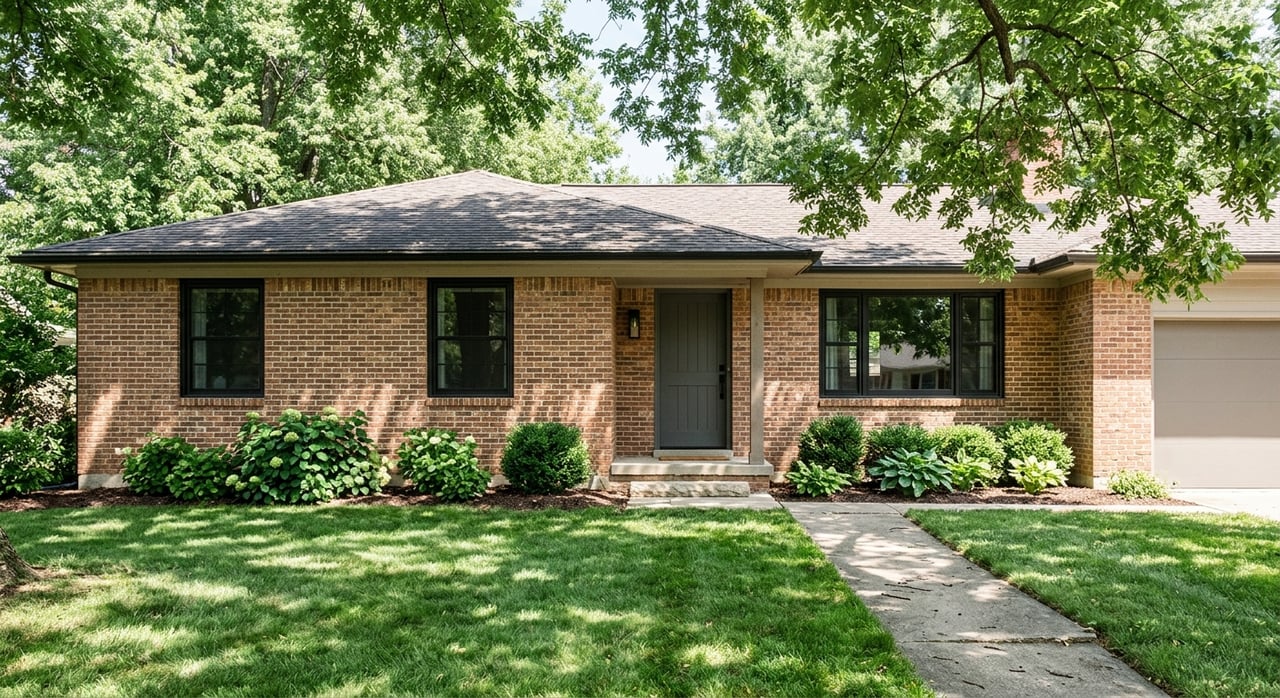
Wondering whether an established or newer neighborhood in Garland is the better fit? It is a smart question, because in Garland, this choice is about more than a home’s age. You are often deciding between different neighborhood layouts, lot sizes, access patterns, and long-term upkeep. If you know what to compare, you can choose a home that fits how you want to live. Let’s dive in.
How Garland frames neighborhood types
Garland’s long-range planning documents do not treat all neighborhoods the same. The city separates neighborhoods into traditional, compact, and urban types.
Traditional neighborhoods are generally low-density areas with single-family detached homes. Compact neighborhoods add more moderate-density infill and attached housing, while urban neighborhoods are higher-density areas that are often closer to major intersections and bus or rail access.
For you as a buyer, that means the choice is not simply older versus newer. In Garland, some areas are shaped by long-established residential patterns, while others are tied to corridor growth, redevelopment, or transit-oriented planning.
What established Garland neighborhoods often offer
Established neighborhoods in Garland usually line up with the city’s traditional neighborhood pattern. These areas tend to have lower density, which can mean more space between homes, larger yards, and a more settled street layout.
If you like the idea of mature surroundings and room to spread out, this type of neighborhood may appeal to you. Many buyers also like the renovation potential that can come with older homes on larger lots.
Garland’s planning framework also allows traditional neighborhoods to include convenience retail, office space, and public services at local intersections. So even in older residential areas, you may still find day-to-day services nearby.
Space and character can be big draws
Established neighborhoods often attract buyers who want a home with personality and flexibility. You may find features that are harder to replicate in newer areas, such as deeper setbacks, broader lots, or a more varied streetscape.
That does not mean every older neighborhood looks the same. It means these areas often feel more settled because they were built in a different pattern than newer planned developments.
Outdoor access may be stronger than you expect
Some of Garland’s older areas also benefit from strong access to green space. The Duck Creek Greenbelt Trail is a 7.2-mile paved trail that follows Duck Creek, and Spring Creek Forest Preserve includes more than 200 acres of preserved natural space.
That helps explain why some established parts of Garland feel especially green. If trails, trees, and outdoor recreation matter to you, older neighborhoods should stay on your list.
Older infrastructure deserves a closer look
The tradeoff in established neighborhoods is often maintenance. Garland reports that more than 70 percent of its streets and alleys are over 30 years old, and its 2024 road assessment found that residential streets and alleys scored the lowest overall.
That does not mean you should avoid older areas. It means you should look carefully at the home and the surrounding infrastructure before you commit.
What newer Garland areas often offer
Garland’s newer-growth story is closely tied to activity centers and corridor plans. The city has tax increment financing districts focused on Downtown and Forest-Jupiter, the I-30 Corridor, and another redevelopment zone, along with area plans that guide future growth.
The city is also using the path of the President George Bush Turnpike extension to shape access, redevelopment, and placemaking in South Garland. For buyers, that can translate into neighborhoods influenced by current public investment and long-term planning.
Convenience is a major advantage
Newer-growth and redevelopment areas often appeal to buyers who want easier access to shopping, services, and major road connections. In May 2026, Garland approved development agreements for an H-E-B near Firewheel Town Center along the President George Bush Turnpike and a Joe V’s Smart Shop at Centerville Road and LBJ Freeway.
That matters because it shows where retail and service growth is happening on the ground. If convenience is high on your list, these growing corridors may feel like a strong match.
Transit access can be a deciding factor
Some newer-growth areas also stand out for transportation access. Garland has two DART Blue Line stations, Downtown Garland and Forest/Jupiter, both of which connect into the broader regional system.
Downtown Garland Station is linked to the Garland Central Transit Center and nearby civic and arts destinations. Forest/Jupiter Station is near Forest Lane and Jupiter Road and serves nearby employment uses.
HOA review is especially important
Newer planned developments are also more likely to include mandatory homeowners associations. Garland notes that these associations are commonly created as part of planned developments or as a builder feature.
If you are considering a newer neighborhood, take time to read the HOA documents, dues, and design rules. This step matters just as much as reviewing the home itself.
Established vs newer: how to compare
The best choice depends on what matters most in your daily life. In Garland, the decision often comes down to space and customization versus turnkey convenience and access to current growth areas.
Here is a simple way to think about it:
| If you value... | Established neighborhoods may fit | Newer neighborhoods may fit |
|---|---|---|
| Lot size and spacing | More likely | Less likely |
| Settled streetscape | More likely | Less likely |
| Renovation potential | More likely | Less likely |
| New retail and corridor growth | Less likely | More likely |
| Transit-oriented access | Less likely | More likely |
| HOA structure | Less common | More common |
This is a general framework, not a rule for every block or subdivision. Garland’s planning documents show that both established and newer areas can offer strong amenities, just in different ways.
Questions to ask before you choose
Before you decide, try to picture your day-to-day routine. The right neighborhood usually becomes clearer when you focus on how you actually want to live, not just what looks best online.
Ask yourself questions like:
- Do you want more yard space or a more turnkey home?
- Are you comfortable taking on updates over time?
- How important is quick access to shopping or major roads?
- Would nearby trail access matter more than newer retail?
- Are you open to HOA rules and monthly dues?
- Would proximity to transit help your commute or lifestyle?
Your answers can help narrow the search quickly. They also help you compare homes in a way that goes beyond price and square footage.
Due diligence tips for Garland buyers
No matter which type of neighborhood you prefer, a little local due diligence can save you stress later. Garland’s planning and infrastructure information gives you a useful roadmap for what to review.
In established neighborhoods
Pay close attention to the condition of both the home and the surrounding block. In older areas, it is smart to review:
- Street and alley condition
- Drainage patterns
- Roof age
- HVAC, plumbing, and electrical system age
- Signs of deferred exterior maintenance
These are not minor details. Garland’s own street assessment shows that aging infrastructure is a real factor in many residential areas.
In newer planned areas
In newer-growth neighborhoods, your focus may shift from aging systems to community rules and future changes nearby. Be sure to review:
- HOA dues
- HOA restrictions and architectural rules
- Planned road or corridor improvements nearby
- Ongoing retail or redevelopment activity in the area
That last point matters because some newer areas are still evolving. What feels convenient today may become even more active over time.
In either type of area
Check whether the neighborhood sits inside a city priority corridor or redevelopment plan. That can influence nearby construction, roadway updates, access changes, and future retail or transit options.
This is one of the most overlooked parts of neighborhood research. A home can be a great fit, but the broader area plan may still shape your experience in the years ahead.
The bottom line for Garland buyers
In Garland, established neighborhoods are often the better fit if you want more space, a settled feel, and room to personalize a home over time. Newer neighborhoods and redevelopment areas may suit you better if you want a more turnkey experience, stronger corridor access, and proximity to current city investment.
The key is not to treat age as the only factor. Some established areas offer excellent trail access and mature surroundings, while some newer areas are still building out around retail, transportation, and planned growth.
If you want help comparing Garland neighborhoods based on your budget, commute, and lifestyle goals, Jeanie Marten can help you narrow down the right fit and move forward with confidence.
FAQs
What is the difference between established and newer neighborhoods in Garland?
- In Garland, established neighborhoods usually align with traditional low-density residential areas, while newer neighborhoods are more often tied to redevelopment corridors, activity centers, or planned growth areas.
Are older Garland neighborhoods more likely to have larger lots?
- Generally, yes. Garland’s traditional neighborhood pattern tends to include lower-density development, which often means more space between homes and larger yards.
What should you check when buying in an established Garland neighborhood?
- You should closely review street condition, drainage, roof age, and the age and condition of major home systems, since older infrastructure and housing stock can require more upkeep.
Do newer Garland neighborhoods usually have HOAs?
- Many newer planned developments do. Garland notes that mandatory homeowners associations are commonly formed in planned developments, so you should read the rules and dues carefully.
Which Garland areas may offer better transit access?
- Areas near Downtown Garland Station and Forest/Jupiter Station may offer stronger transit access, since both are served by the DART Blue Line.
Is an established or newer Garland neighborhood better for buyers?
- Neither is automatically better. An established neighborhood may work best if you want space and renovation potential, while a newer area may be a better fit if you want convenience, newer planning, and access to growth corridors.