Are you still pricing your starter home like first-time buyers are lining up around the block?
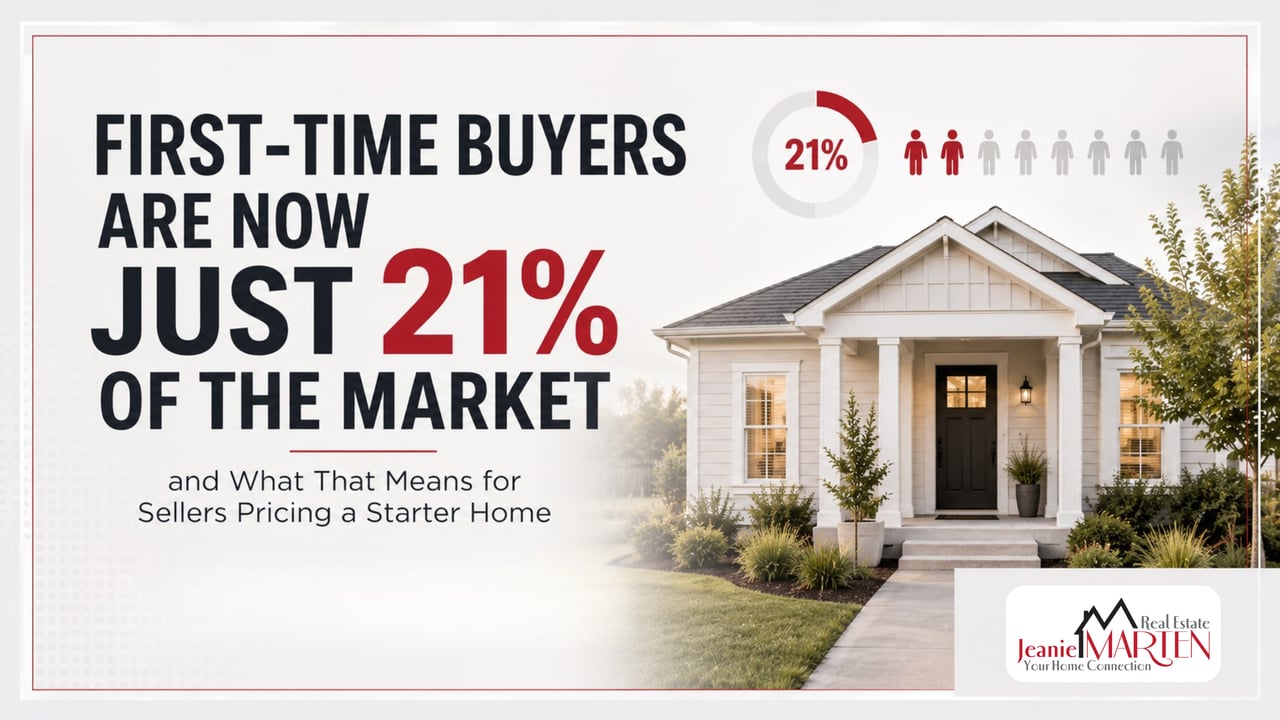
Not anymore. According to the National Association of REALTORS®, first-time buyers now make up just 21% of the market, roughly half the historical norm of around 40%.
That shift changes everything for sellers of entry-level homes. The buyers walking through your open house today are often older, equity-rich and more financially cautious than the traditional “starter home” audience many sellers expect.
The Starter Home Buyer Has Changed
For years, entry-level homes practically marketed themselves. A reasonable price point and decent condition were often enough to attract waves of eager first-time buyers.
But affordability pressures, higher monthly payments, student debt and limited inventory have pushed many younger buyers to the sidelines. NAR reports that the median age of a first-time buyer has now climbed to 40 years old, another historic high.
That means today’s buyer pool often includes:
- Repeat buyers downsizing
- Investors looking for cash flow
- Buyers relocating with equity from another sale
- Older first-time buyers with higher expectations
- Cash buyers competing selectively
In other words: your “starter home” may no longer appeal primarily to buyers simply looking for anything they can afford.
Why Overpricing Is Riskier Right Now
Many sellers still assume entry-level homes automatically generate bidding wars because affordability inventory remains limited.
But the buyer psychology has shifted.
Today’s buyers are:
- More payment-sensitive
- Comparing monthly costs carefully
- Less willing to compromise on condition
- More selective about updates and maintenance
- Expecting value immediately
If your home enters the market overpriced, buyers may interpret it as poor value instead of “room to negotiate.”
And in a market where many first-time buyers are already stretched financially, even a small pricing gap can push your home out of reach entirely.
Your Competition Isn’t Just Other Starter Homes
This is one of the biggest pricing mistakes sellers make.
You’re no longer competing only against similarly sized homes. Buyers are comparing:
- Monthly payments
- Interest rates
- HOA costs
- Insurance premiums
- Renovation needs
- Move-in readiness
A slightly larger home with updated finishes may suddenly feel like the better value if the monthly payment difference is minimal.
That’s why strategic pricing matters more than ever.
What Smart Sellers Are Doing Instead
The sellers winning in today’s market are adjusting to the new buyer reality instead of relying on outdated assumptions.
Here’s what that looks like:
1. Pricing for Momentum
Homes priced correctly from day one tend to generate stronger early interest and better negotiating leverage.
2. Focusing on Monthly Affordability
Today’s buyers think in monthly payments, not just purchase price. Small pricing adjustments can dramatically impact affordability.
3. Improving Presentation
Move-in-ready homes stand out because buyers are increasingly hesitant to take on immediate repair or renovation costs.
4. Marketing to Multiple Buyer Types
Your ideal buyer may not be a 28-year-old first-time purchaser. Your marketing should also speak to downsizers, relocators, and investors.
The Bottom Line for Starter Home Sellers
The starter-home market still matters but the buyers inside it have changed significantly.
When first-time buyers represented 40% of the market, sellers could often rely on sheer demand. With that share now at a historic low of 21%, pricing strategy matters more than ever.
Today’s successful sellers understand that affordability alone is no longer enough. Buyers want value, condition and confidence that they’re making a smart financial decision.
If you’re preparing to sell an entry-level home, the goal isn’t simply to “list low and hope.” It’s to price strategically for the buyer pool that actually exists today.
Thinking About Selling Your Starter Home?
If you want a pricing strategy built around today’s buyer behavior — not yesterday’s market — let’s talk. A data-driven approach can help you attract serious buyers, maximize interest, and avoid sitting on the market longer than necessary.