
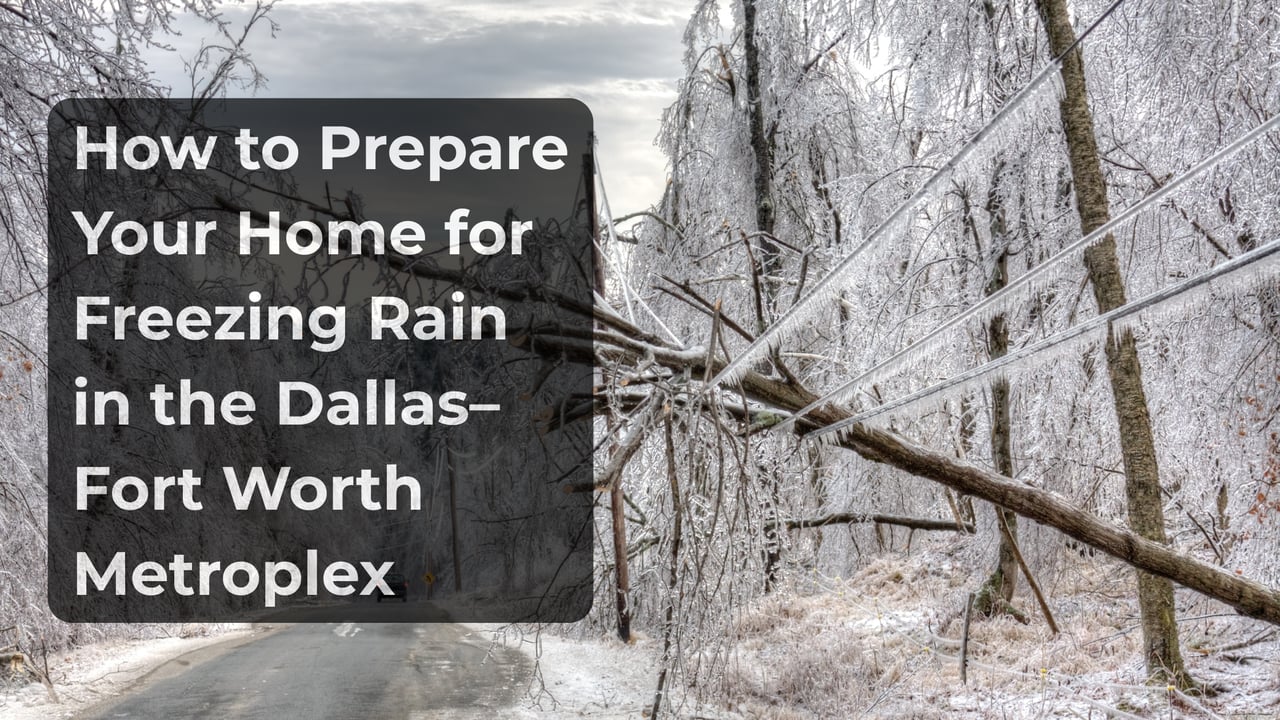
Are you ready if freezing rain, sleet, or snow hits your neighborhood this weekend?
With 1–3 inches of precipitation in the forecast — and the potential for freezing rain — a little preparation now can help you avoid burst pipes, equipment damage, and unnecessary stress if power is lost.
Here’s a practical checklist that covers the obvious steps and the things most homeowners don’t think about until it’s too late.
Start With the Basics Most Homeowners Know
These are the standard cold-weather precautions you’ve probably heard before — but they’re worth repeating:
-
Cover exposed outdoor faucets with insulated covers
-
Disconnect garden hoses and store them inside
-
Set your thermostat consistently (avoid dramatic temperature swings)
-
Open cabinet doors under sinks on exterior walls to allow warm air to circulate
-
Let faucets drip slightly if temperatures dip below freezing
-
Bring sensitive plants indoors or cover them with frost cloth
-
Check weather stripping around doors and windows for drafts
The Overlooked Steps That Can Save Thousands
Mark and Protect Your Water Meter
If your water meter becomes buried under ice or sleet, finding it quickly can be difficult when you need it most.
-
Place a small flag, stake, or marker near your water meter now
-
Consider covering the meter box with insulation or towels (keeping it dry)
-
Make sure everyone in the household knows where it is and how to turn it off
👉 If a pipe bursts, seconds matter.
Know How to Shut Off Your Home’s Water — Before You Need To
Many homeowners don’t know where their main shutoff valve is until water is already flooding the house.
-
Locate the main shutoff and test that it turns properly
-
Keep a wrench or shutoff tool nearby
-
Clear any clutter blocking access
Prepare Pool Equipment for a Power Loss
If power is lost during freezing temperatures, pool equipment is at serious risk.
-
Locate and label drain plugs on:
-
Pump
-
Filter
-
Heater
-
-
Take photos with your phone so you remember the exact locations
-
Know how to fully drain the system quickly if circulation stops
This one step can prevent cracked pipes and expensive repairs.
Check Attic and Garage Vulnerabilities
These spaces are often forgotten — and often where problems start.
-
Inspect attic areas for exposed plumbing
-
Ensure attic access points are properly sealed
-
Move liquids, paint, or chemicals away from uninsulated garage walls
Extended Power Outage: What Not to Do
When temperatures drop and power is out for an extended period, safety matters just as much as warmth.
🚫 Never Use Fuel-Burning Equipment Indoors
Even during extreme cold:
-
Do NOT run gas or propane generators inside your home or garage
-
Do NOT burn charcoal indoors (including fireplaces not designed for it)
-
Do NOT use outdoor grills inside
These create deadly carbon monoxide — a colorless, odorless gas that can build up quickly.
🚫 Be Careful With Space Heaters
Space heaters can help — but only when used correctly.
-
Do NOT plug space heaters into old or overloaded power strips
-
Plug heaters directly into wall outlets only
-
Keep heaters at least 3 feet away from anything flammable
-
Never leave them unattended or running while you sleep
✅ Make Sure Your Carbon Monoxide Detectors Work
This is one of the most important steps — and often overlooked.
-
Test carbon monoxide detectors now
-
Replace batteries if needed
-
Make sure detectors are installed on each level of your home and near sleeping areas
Carbon monoxide poisoning is a real risk during outages, and detectors save lives.
Final Takeaway
Cold weather in North Texas isn’t just about staying warm — it’s about protecting your home, your systems, and your safety. Preparing ahead of time helps prevent damage, reduces risk, and gives you peace of mind if conditions worsen.
If you’d like help identifying shutoffs, preparing a home you’re selling, or thinking through cold-weather readiness, I’m always happy to help.
Need Help or Have Questions?
If you’re unsure where your shutoffs are, preparing a home for winter conditions, or just want guidance before the weather hits, reach out anytime.
Preparation today is always easier — and safer — than repairs later.