What Is Modern Heritage—and Why Is This Style Trending in Today’s Housing Market?
Why are so many of today's most desirable homes blending old-world character with modern design?
Because buyers and sellers alike are gravitating toward Modern Heritage—a design approach that combines timeless architectural details with the comfort and functionality today's homeowners want.
It's more than a passing trend. It's a shift toward homes that feel intentional, inviting, and built to last.
What Is Modern Heritage Style?
Modern Heritage is a design philosophy that blends traditional architectural character with contemporary living.
Instead of choosing between classic and modern, it embraces the best of both.
Typical features include:
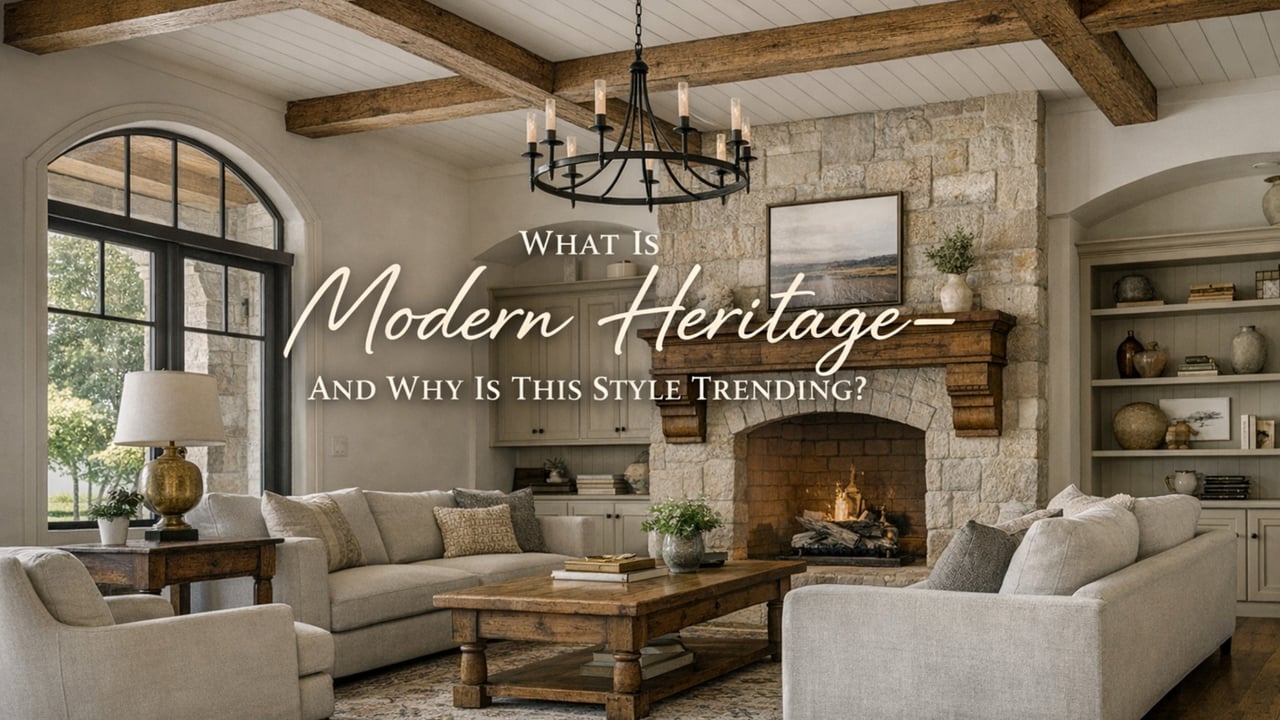
- Architectural details like arches, millwork, exposed beams, and built-ins
- Warm, natural materials such as wood, stone, and iron
- Open, functional layouts designed for today's lifestyle
- A restrained color palette built around warm neutrals and earthy tones
Designers often describe Modern Heritage as honoring the past while designing for the way we live today. That balance is exactly why it resonates with so many homeowners.
Why Modern Heritage Is Trending in 2026
Buyers Are Moving Beyond "Flat" Design
After years of all-white interiors and ultra-minimal spaces, buyers are looking for homes with greater warmth and personality.
Modern Heritage introduces:
- Texture
- Contrast
- Natural materials
- Architectural interest
without sacrificing the clean, uncluttered feel people still appreciate.
Instead of feeling cold or overly styled, these homes feel lived-in, welcoming, and authentic.
It Feels Timeless Rather Than Trendy
One of the biggest reasons designers embrace Modern Heritage is its longevity.
Rather than chasing short-lived design trends, it focuses on elements that age gracefully.
That often means:
- Fewer expensive updates over time
- Broader long-term buyer appeal
- A home that still feels current years from now
For both homeowners and future buyers, that's a significant advantage.
It Creates an Emotional Connection
Today's buyers don't simply evaluate square footage or finishes—they respond to how a home makes them feel.
Modern Heritage interiors often feel:
- Comfortable
- Collected
- Warm
- Authentic
That emotional response can influence everything from showing activity to stronger offers and higher perceived value.
The Core Principles of Modern Heritage
While every home is different, designers consistently point to several defining characteristics.
1. Highlight the Home's Original Character
Rather than removing architectural details, Modern Heritage celebrates them.
Look for features such as:
- Arched openings
- Exposed beams
- Built-ins
- Fireplace surrounds
- Decorative trim and millwork
The goal isn't perfection.
It's character.
2. Use Natural Materials That Age Well
Material selection plays a major role in creating the Modern Heritage aesthetic.
Popular choices include:
- White oak
- Walnut
- Natural stone
- Brick
- Limewash or plaster finishes
- Aged brass and iron
These materials add warmth, texture, and depth that synthetic finishes often can't replicate.
3. Mix Traditional and Contemporary Elements
Modern Heritage succeeds because it embraces contrast—not matching sets.
Examples include:
- Traditional architecture paired with modern furnishings
- Vintage-inspired lighting in contemporary spaces
- Classic cabinetry finished with updated hardware
- Antique accents balanced by clean-lined décor
The result feels curated rather than themed.
4. Keep the Color Palette Simple
Even when textures and patterns are layered together, the overall color palette remains restrained.
Common colors include:
- Warm whites
- Soft taupes
- Earth tones
- Muted greens
- Historic-inspired blues
- Charcoal accents
This creates a calm, cohesive look that allows architectural details to stand out.
What Modern Heritage Looks Like in Real Homes
Architectural Character Meets Modern Living
Insert Image Gallery
Homes with strong architectural bones naturally lend themselves to Modern Heritage styling.
Common characteristics include:
- Arched doorways
- Iron stair railings
- Exposed wood beams
- Rich hardwood flooring
- Updated furnishings with clean lines
The architecture provides the history, while the furnishings provide the update.
Materials Create the Feeling
Insert Image Gallery
Not every home needs historic architecture to embrace Modern Heritage.
The look can also be achieved through thoughtful material choices.
Features often include:
- Natural wood cabinetry
- Stone accents
- Darker flooring
- Warm lighting
- Indoor-outdoor connections
When layered together, these elements create spaces that feel substantial, inviting, and timeless.
How to Bring Modern Heritage Into Your Home
Whether you're preparing to sell or simply updating your home, Modern Heritage doesn't require a complete renovation.
Often, thoughtful changes make the biggest impact.
Focus on these five ideas:
Highlight One Signature Feature
Instead of hiding architectural details, make them the focal point.
Whether it's a fireplace, ceiling beams, or an arched opening, let the home's character shine.
Update Finishes Before Remodeling
Replacing hardware, lighting, faucets, or countertops often creates a bigger visual improvement than a full renovation.
Mix Furniture Styles
Avoid perfectly matched furniture collections.
Combining traditional pieces with modern silhouettes creates a more collected, designer-inspired look.
Add Texture
Natural wood, woven textiles, stone, and layered materials create warmth without relying on bold colors.
Edit Before You Decorate
One of the easiest ways to elevate a space is simply removing visual clutter.
Giving architectural features room to breathe allows them to become the focal point.
What This Means for Buyers and Sellers
If You're Buying
Look beyond cosmetic updates.
Pay attention to:
- Architectural character
- Material quality
- Timeless design features
- The home's long-term flexibility
Homes with strong underlying character often retain their appeal longer than those built around short-term design trends.
If You're Selling
You don't need an expensive remodel to align with today's buyer preferences.
Instead, focus on:
- Simplifying your color palette
- Updating lighting and hardware
- Reducing visual clutter
- Highlighting your home's architectural features
Small improvements can dramatically influence how buyers perceive your home both online and during showings.
Final Thoughts
Modern Heritage is gaining momentum because it reflects what many buyers are looking for today: homes that feel authentic, comfortable, and built to last.
Rather than choosing between traditional and contemporary design, it combines the strengths of both.
The result is a home with lasting character—one that's just as appealing years from now as it is today.
Thinking About Your Next Move?
Whether you're buying, selling, or simply considering updates to your home, understanding design trends like Modern Heritage can help you make smarter real estate decisions.
If you'd like guidance on which improvements add the most value—or which homes already embody this style—I'd be happy to help you navigate today's market with confidence.