What is it like to live in The Station in Sachse, Texas?
The first thing to understand is that The Station isn't a typical Sachse subdivision. It's a newer mixed-use district along the President George Bush Turnpike where detached homes and townhomes sit within a larger development that also includes apartments, restaurants, medical services, commercial space and two public parks.
That distinction matters.
If you're comparing The Station with an established Sachse neighborhood where almost every street is residential and yards tend to be larger, you're really comparing two different approaches to suburban living.
I've been selling real estate in Sachse and this part of North Texas for years, and what I think buyers need most when looking at The Station is context. The newer homes and Heritage Park are easy to see. What's less obvious from an online listing is how the mixed-use layout affects daily life, how much the location of an individual home matters, and why the PID needs to be part of your financial comparison.
So here's the practical version of The Station: what makes it different, where I think it works particularly well, and what I would want you to investigate before buying here.
This is the part I would understand before looking at individual houses.
The Station sits along the President George Bush Turnpike on the south side of Sachse, between the Miles Road and Merritt Road areas.
But unlike a conventional subdivision, The Station isn't just a collection of residential streets.
The larger district combines detached houses, townhomes, multifamily housing, commercial space, restaurants, services, medical uses and public recreation.
That means the environment changes as you move through it.
You can be driving past detached homes, transition into townhomes or apartments, pass a public park, and then reach restaurants or other commercial buildings without ever really leaving The Station.
Heritage Park occupies a major part of the district, while The Commons Park provides another smaller green space within the development.
The President George Bush Turnpike runs along the development and is one of its major regional connections. Miles Road and Merritt Road are also important routes around The Station and into surrounding parts of Sachse.
This layout is really the key to deciding whether The Station belongs on your list.
If you're looking for a neighborhood that feels removed from commercial activity, there are other parts of Sachse that provide more of that environment.
If you like having housing, recreation, restaurants and services relatively close together, The Station gives you a combination that is still fairly unusual in this part of North Texas.
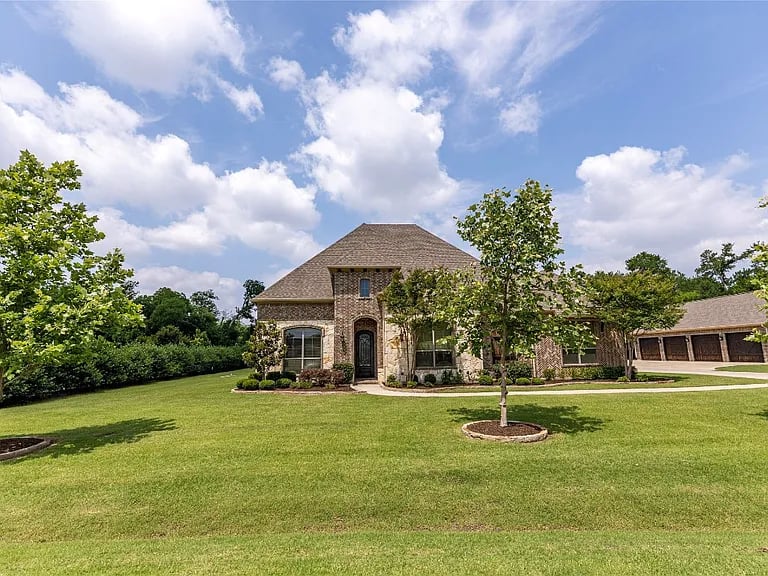
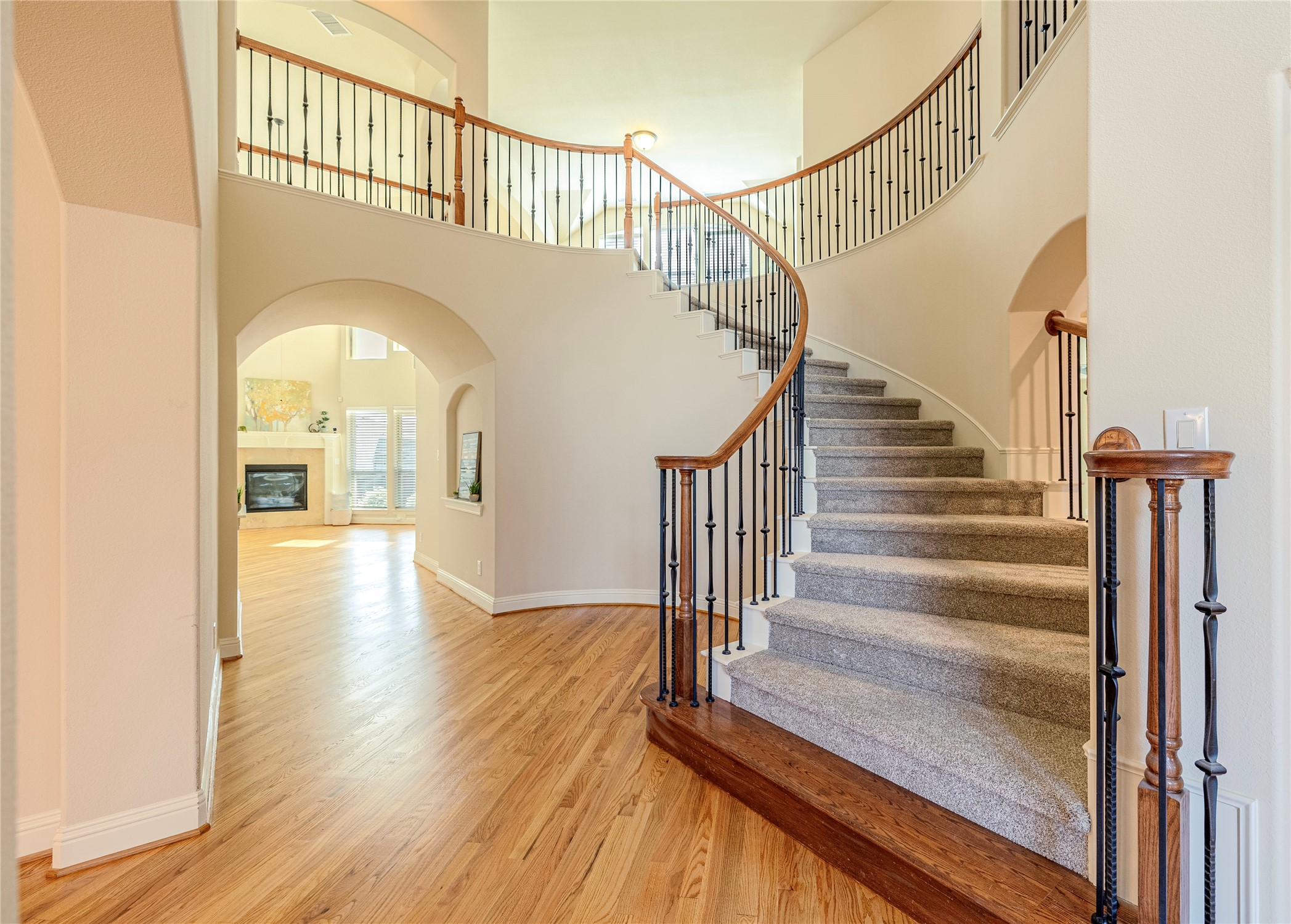
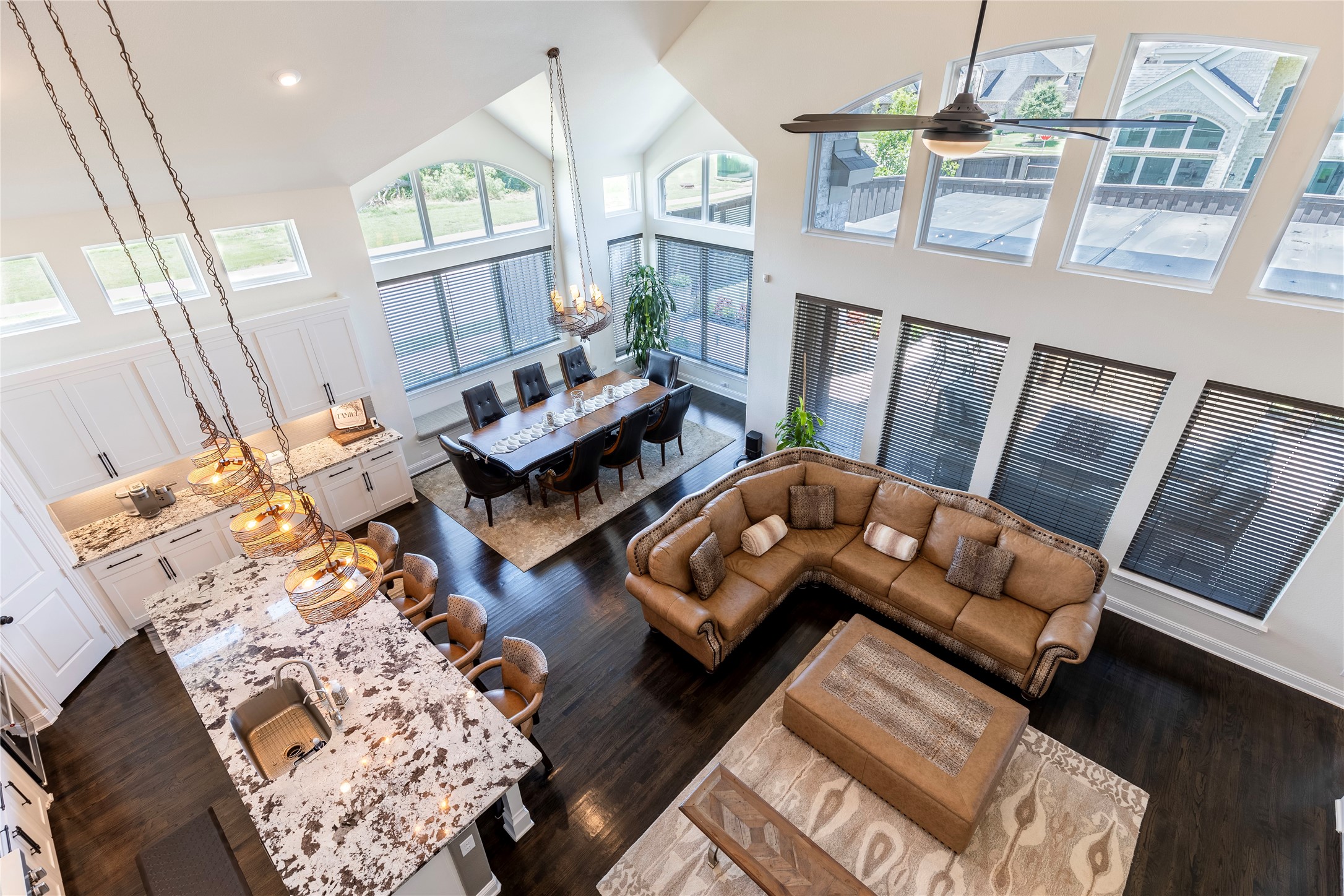
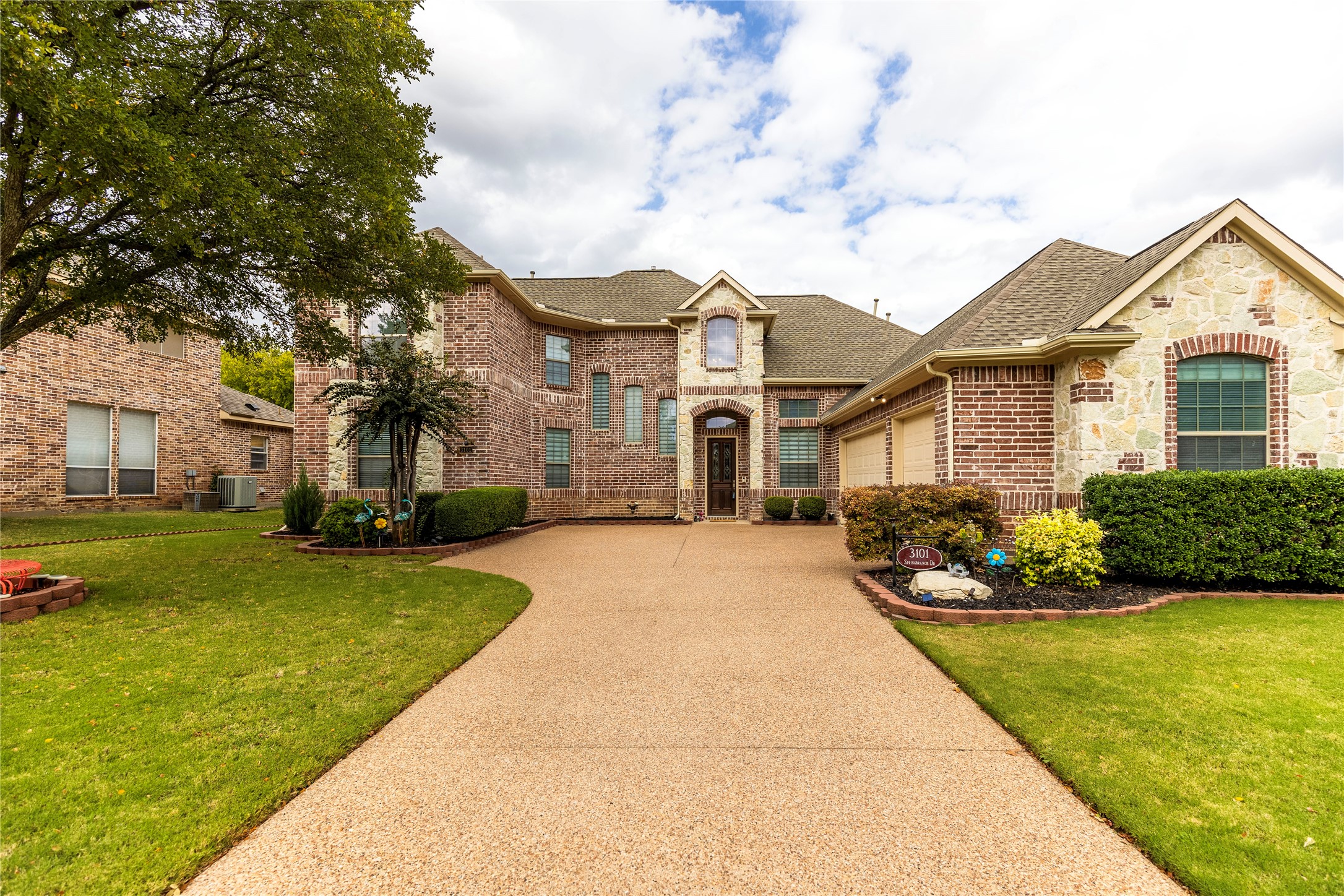
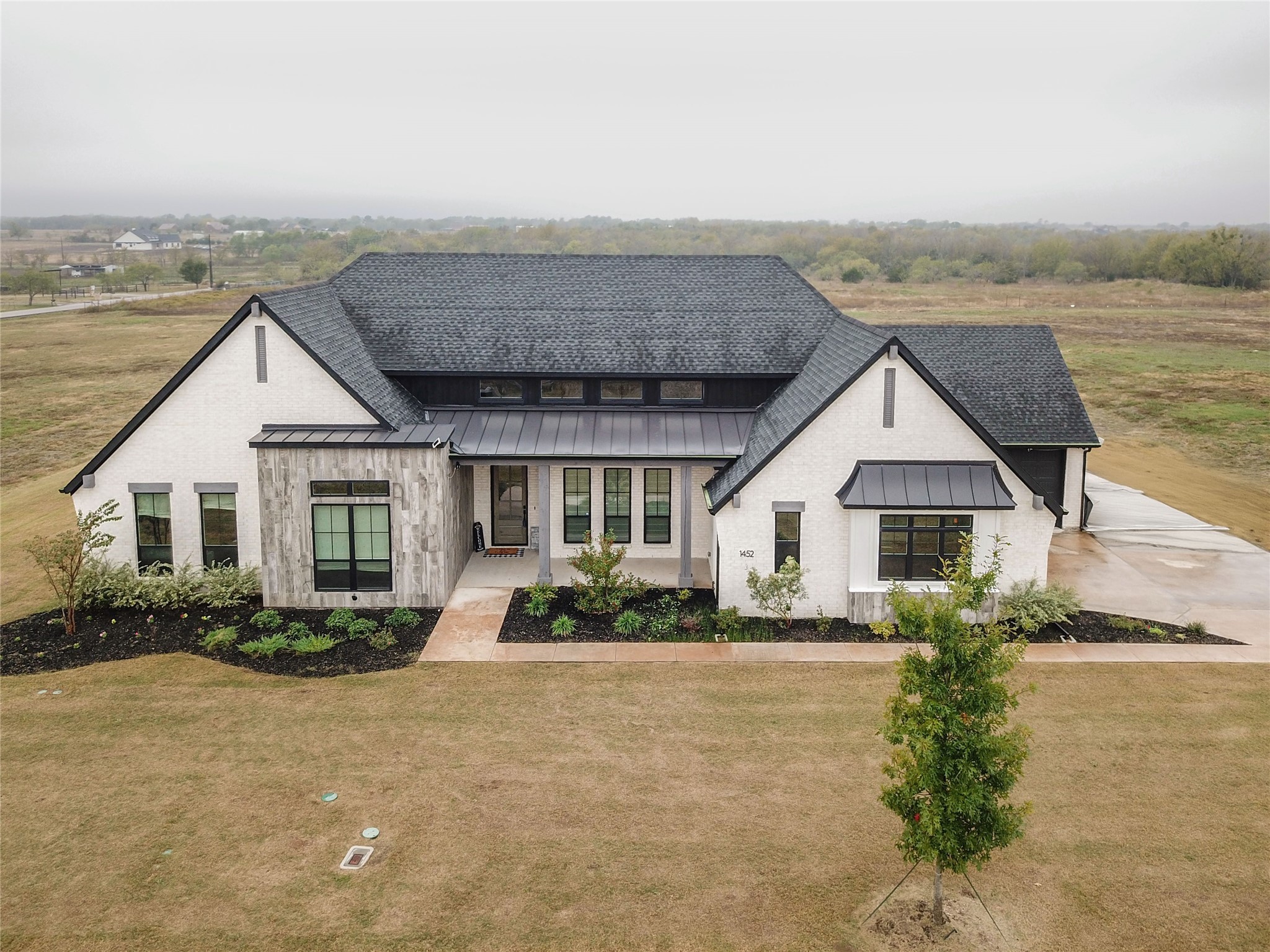
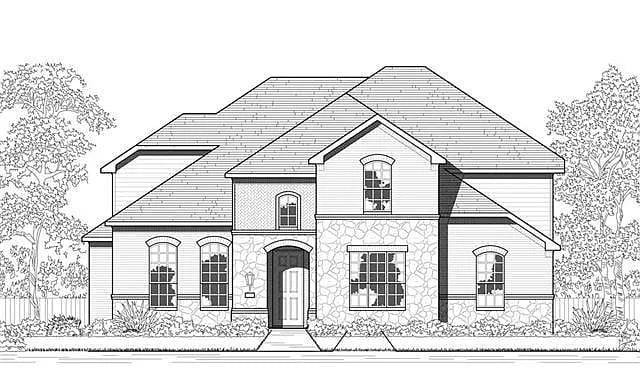
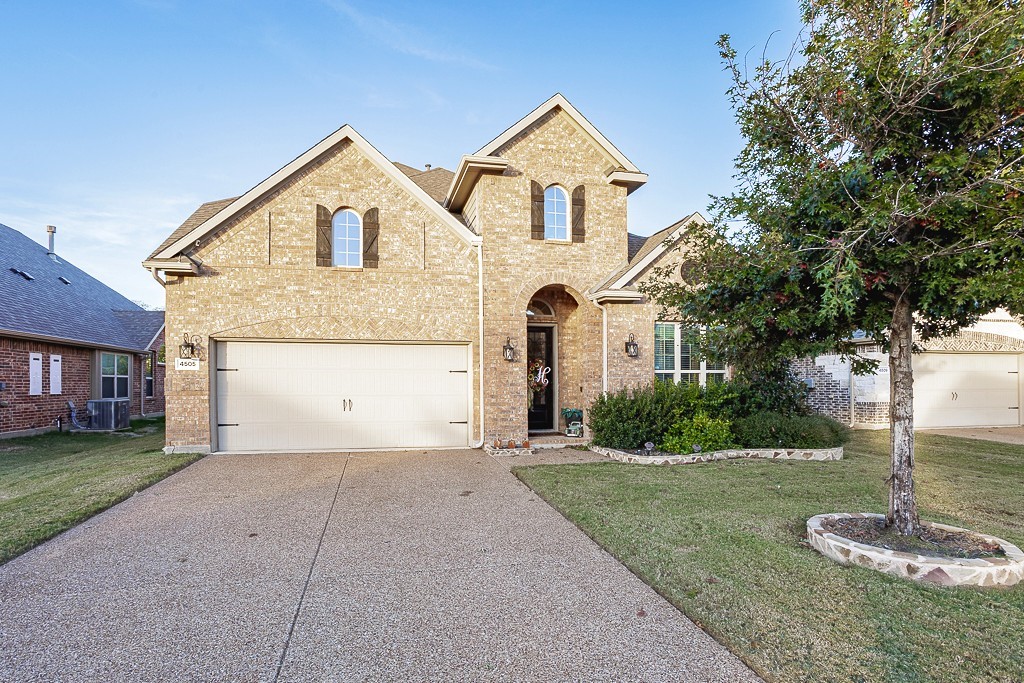
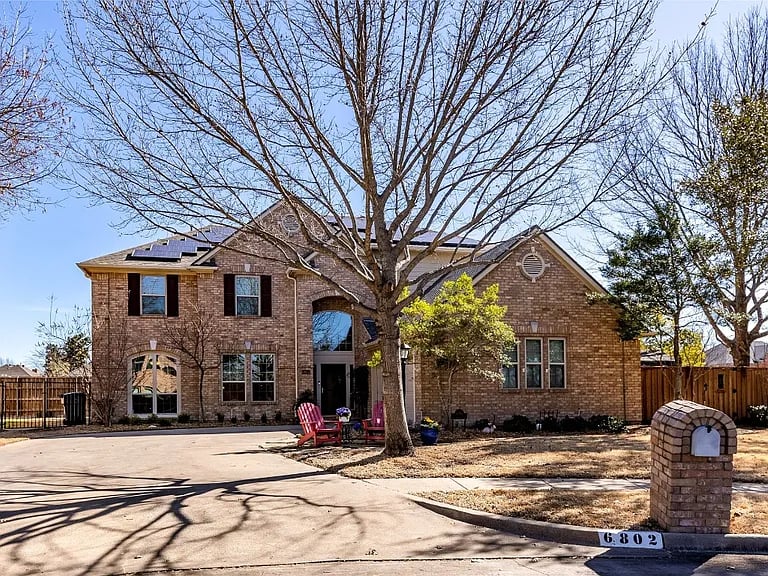
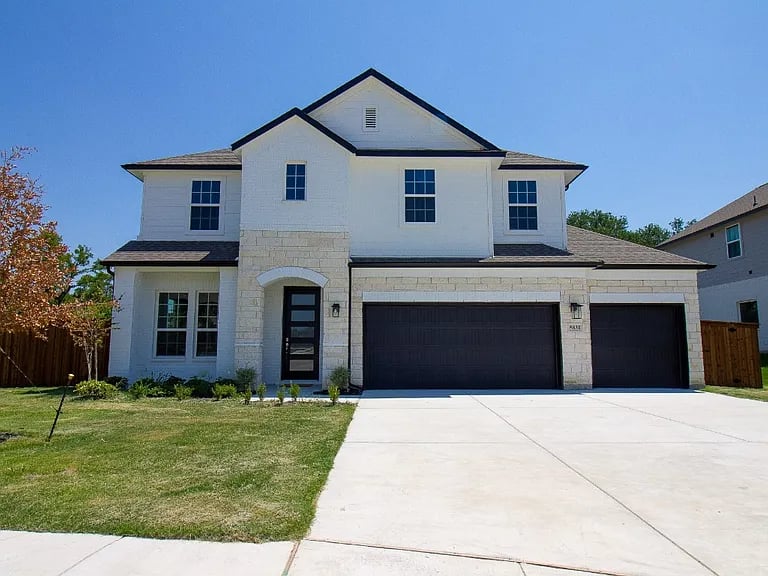
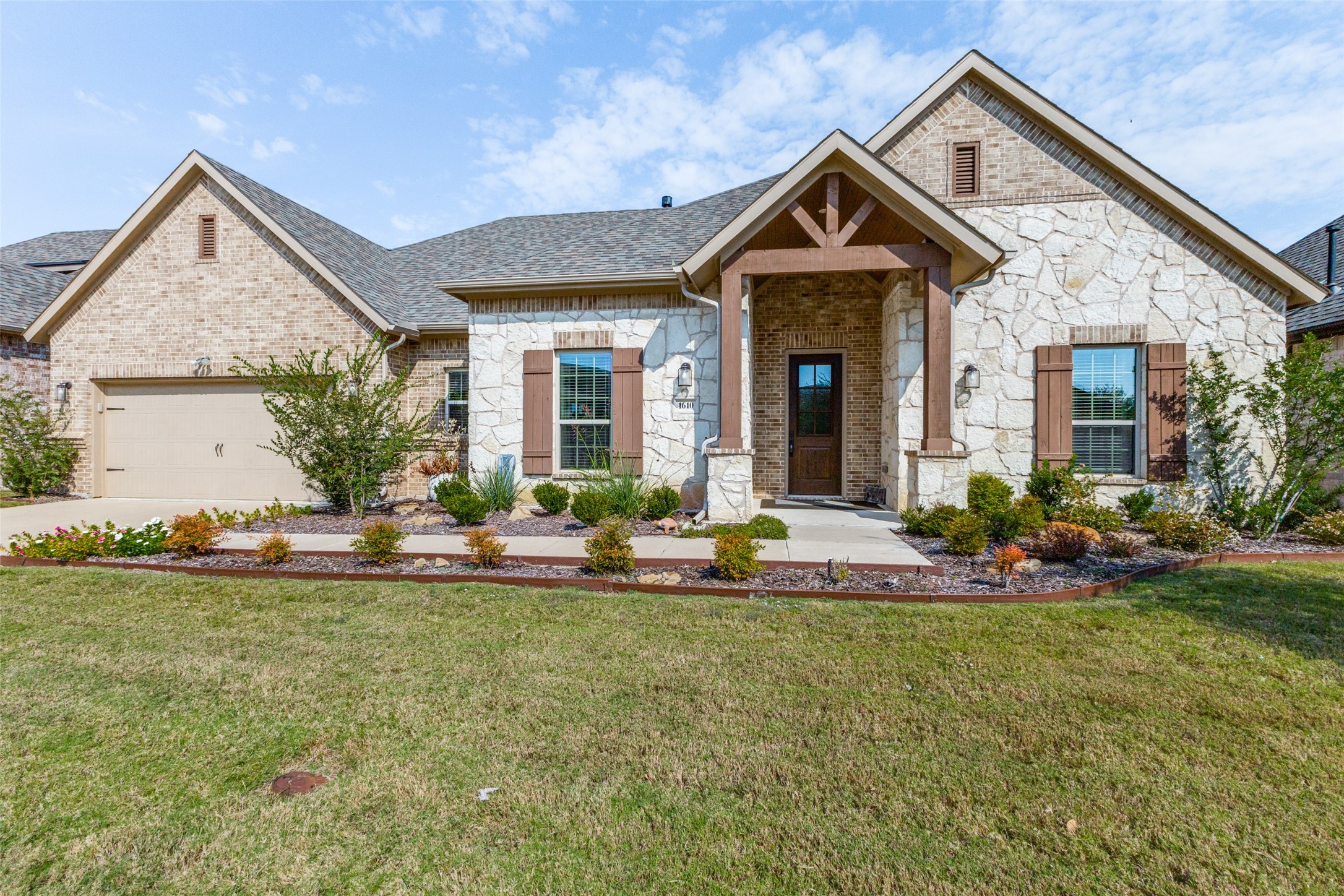
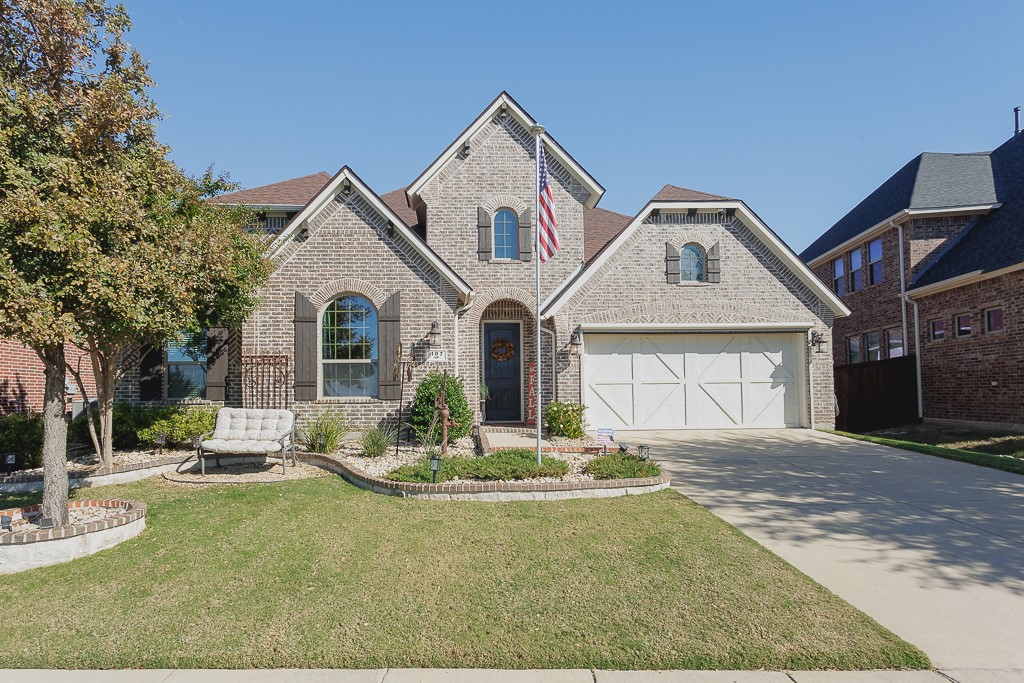
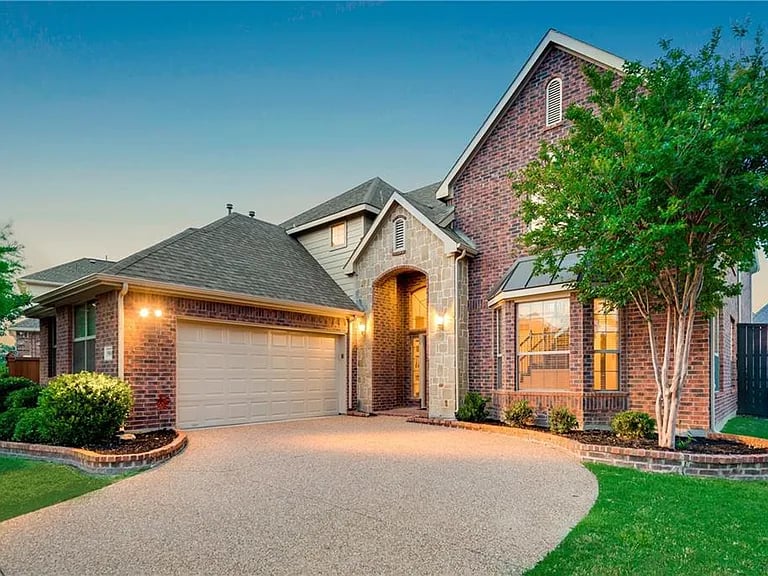
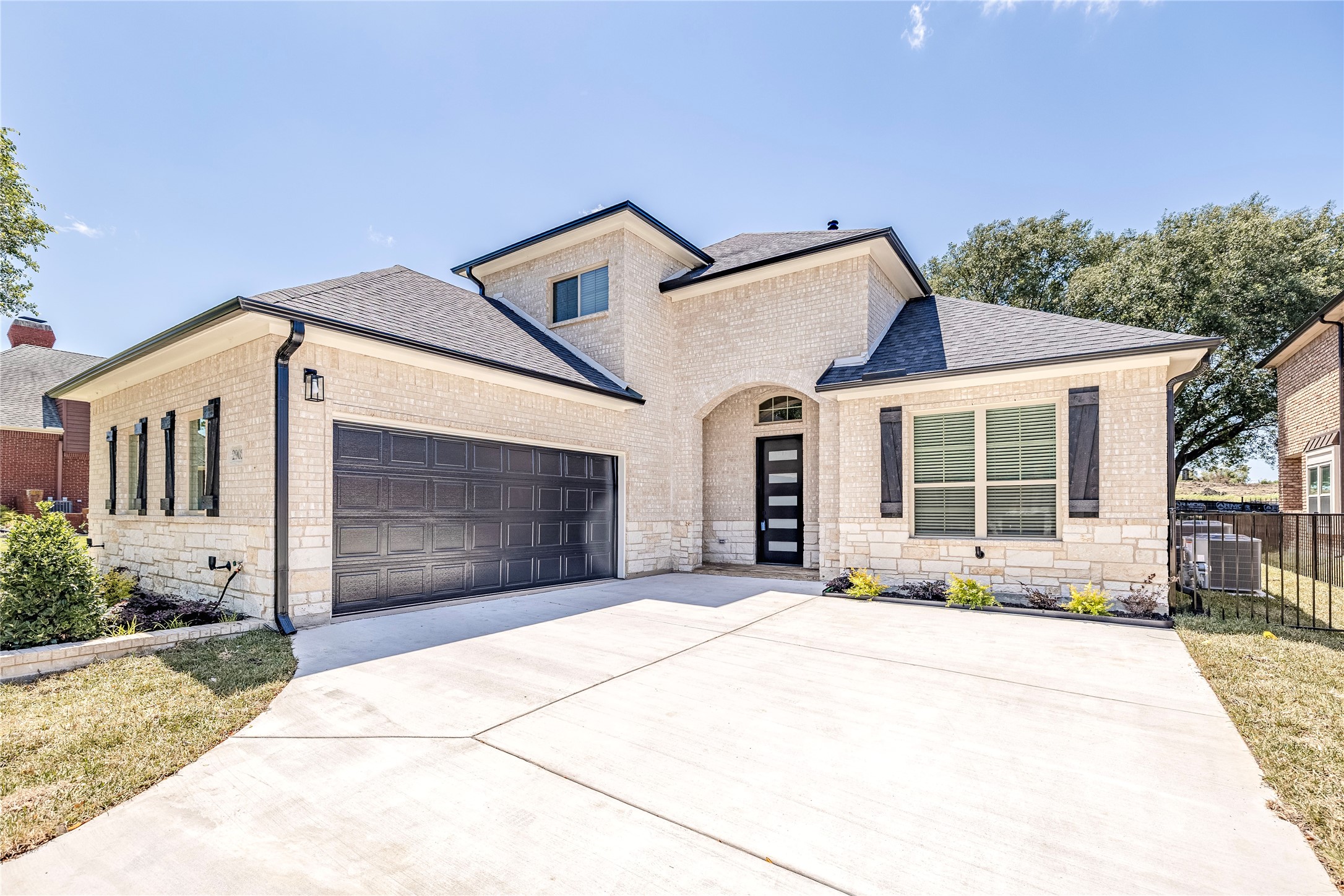
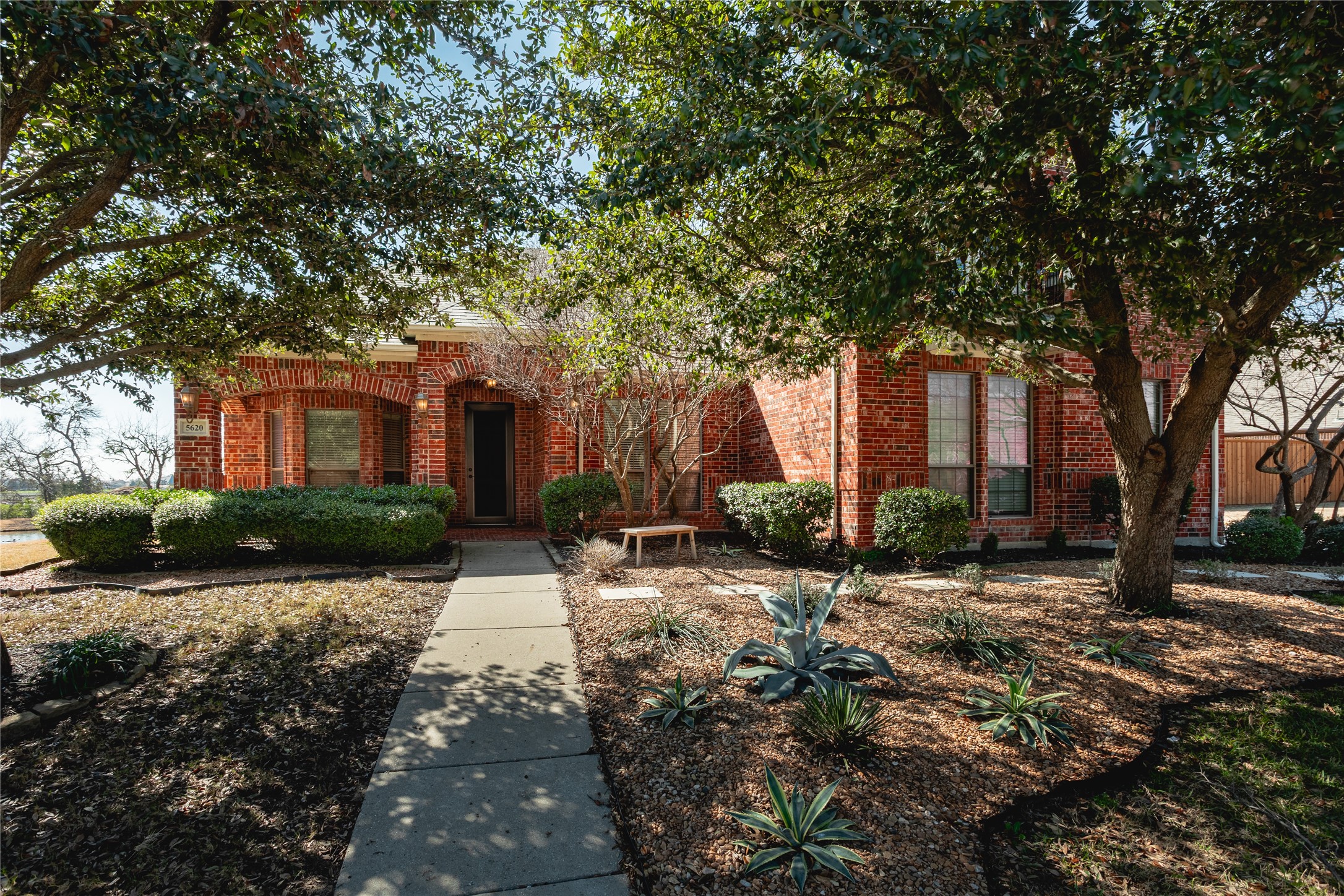
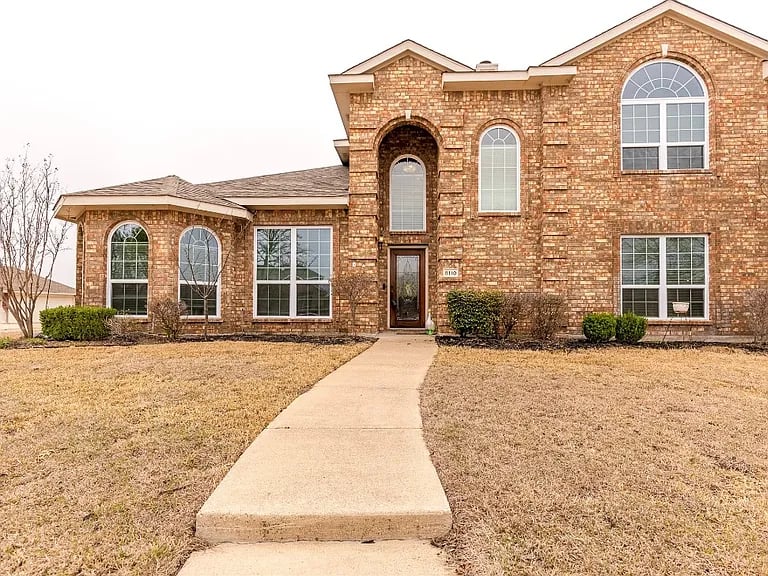
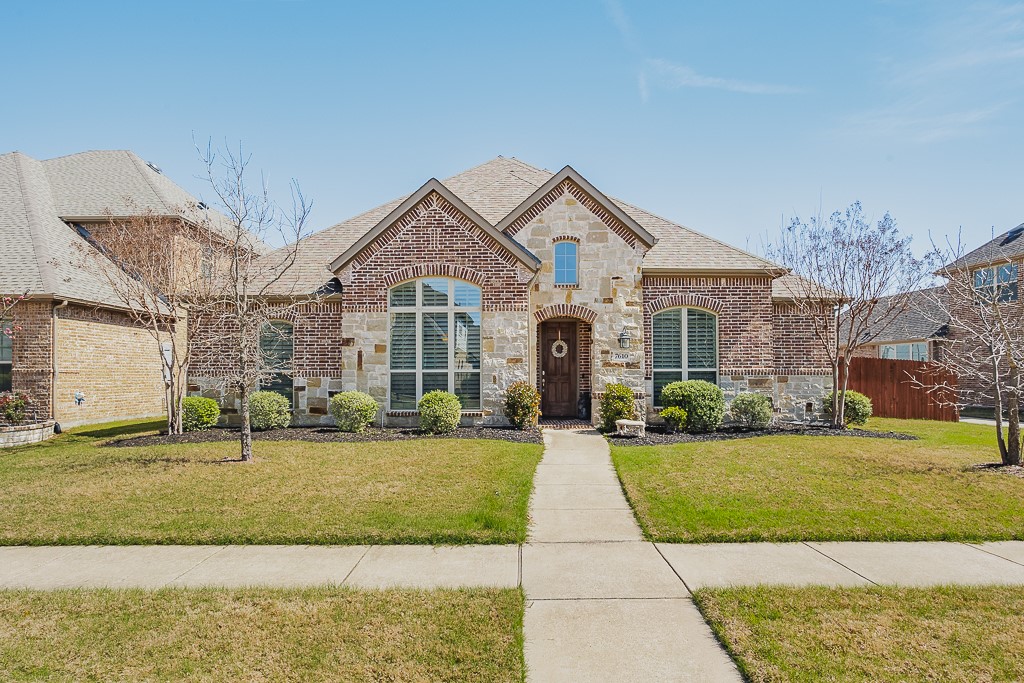
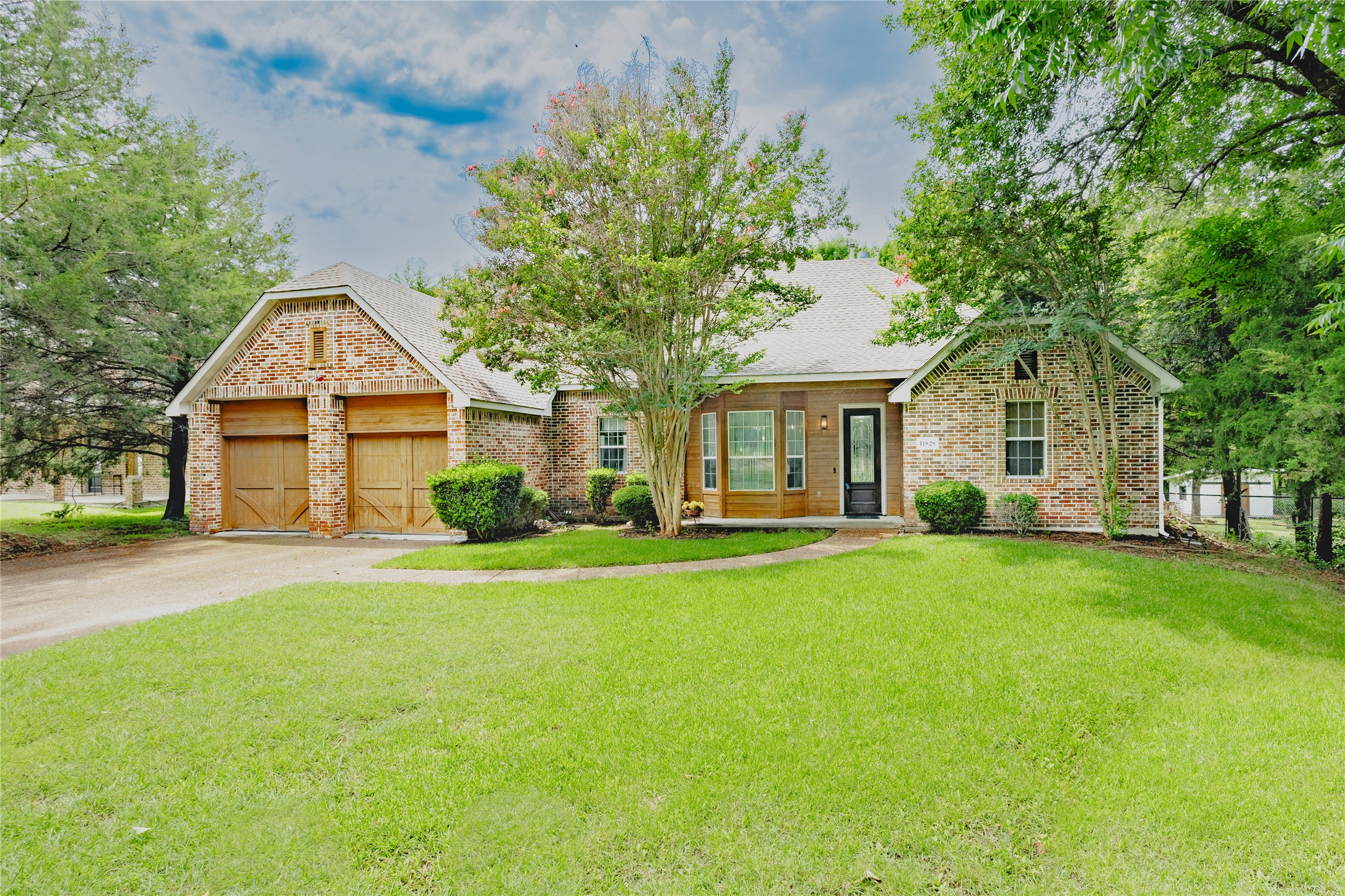
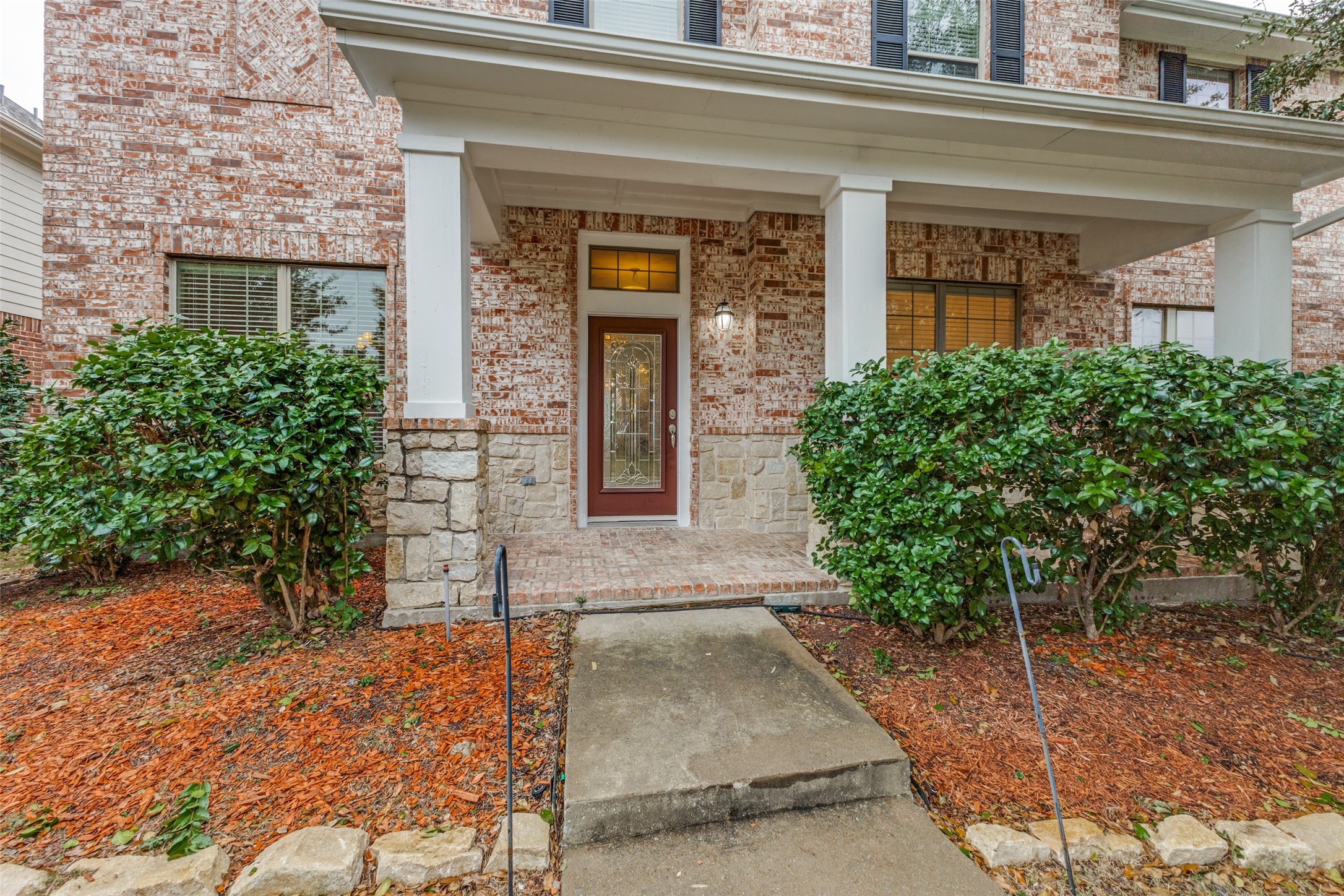
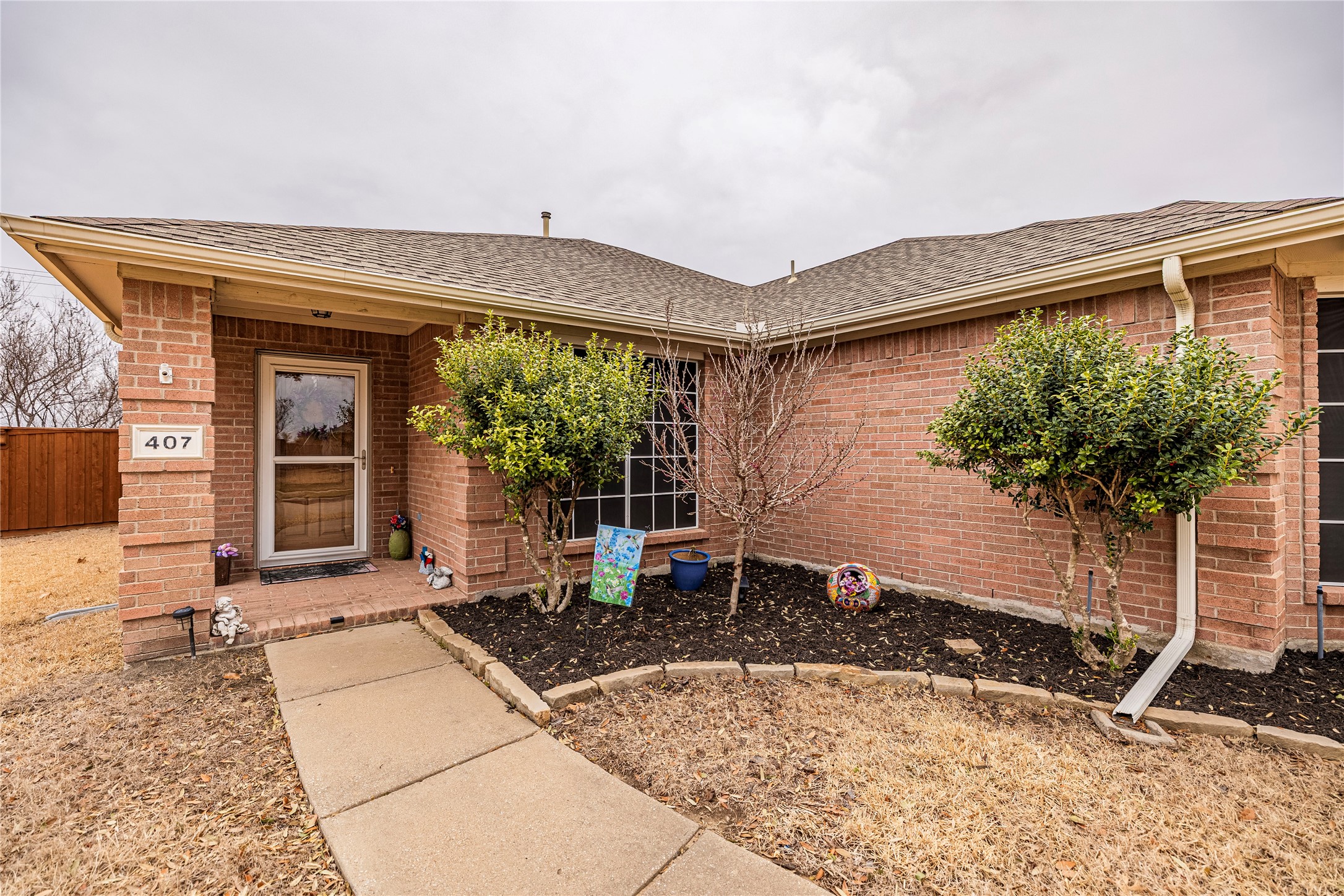
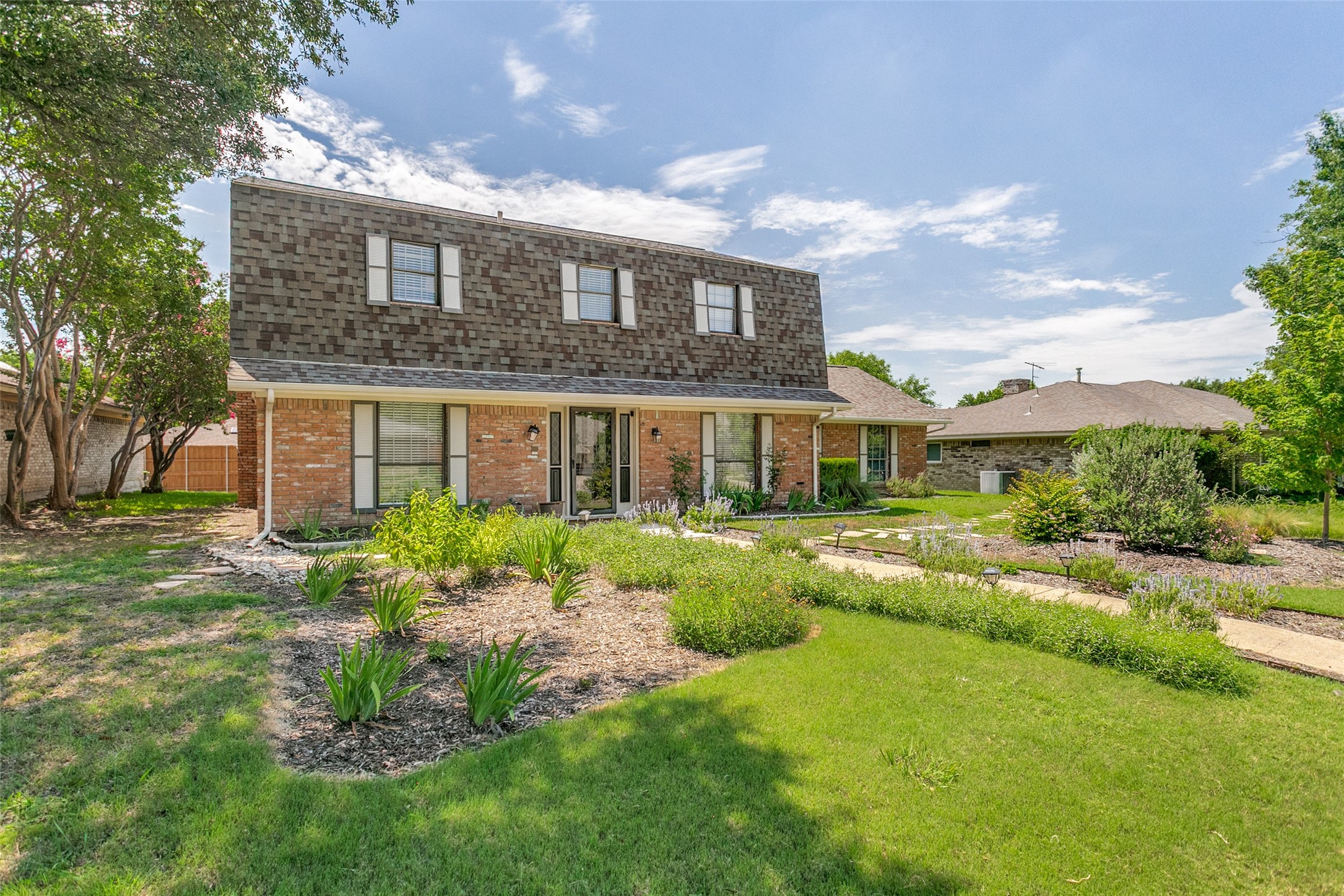
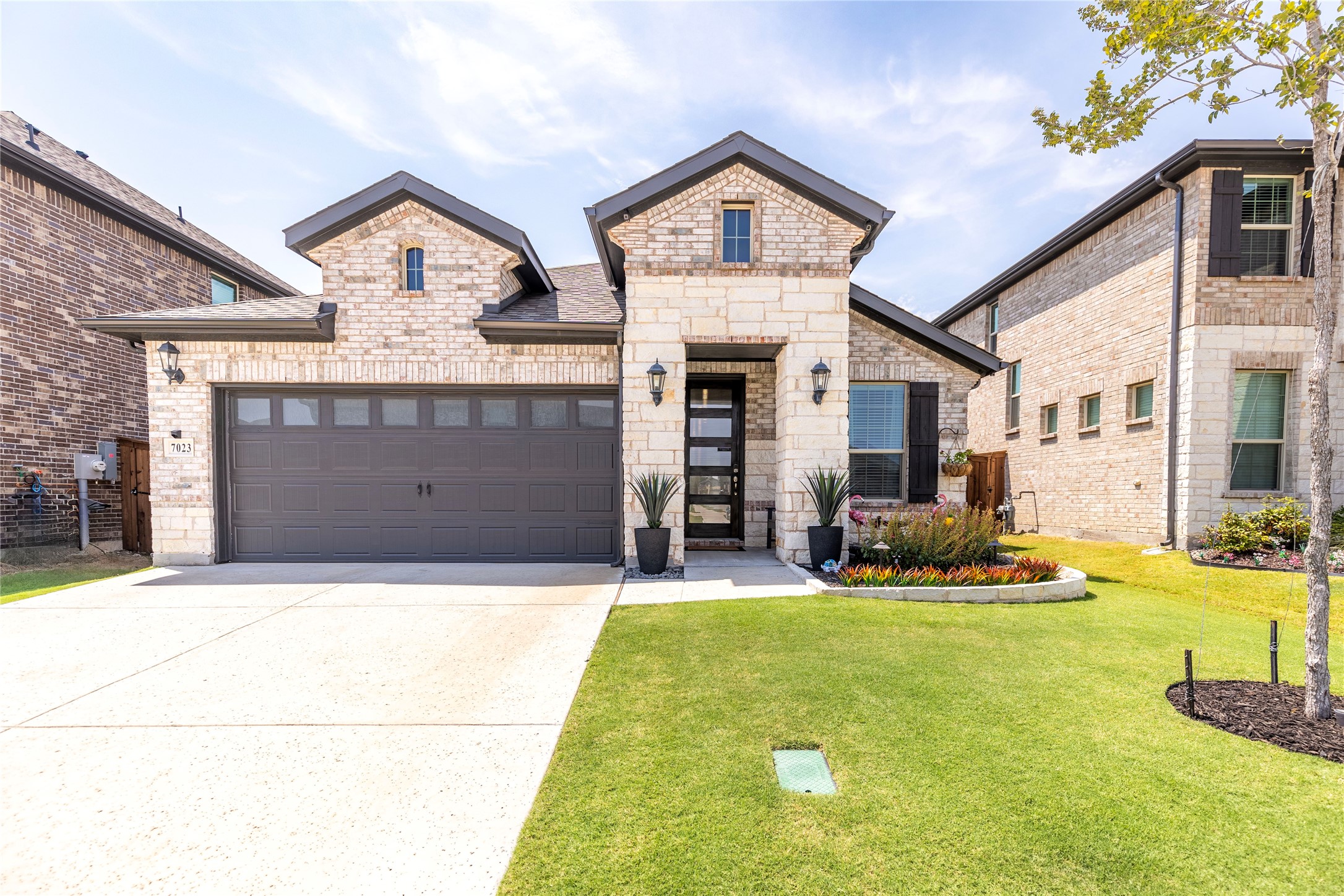
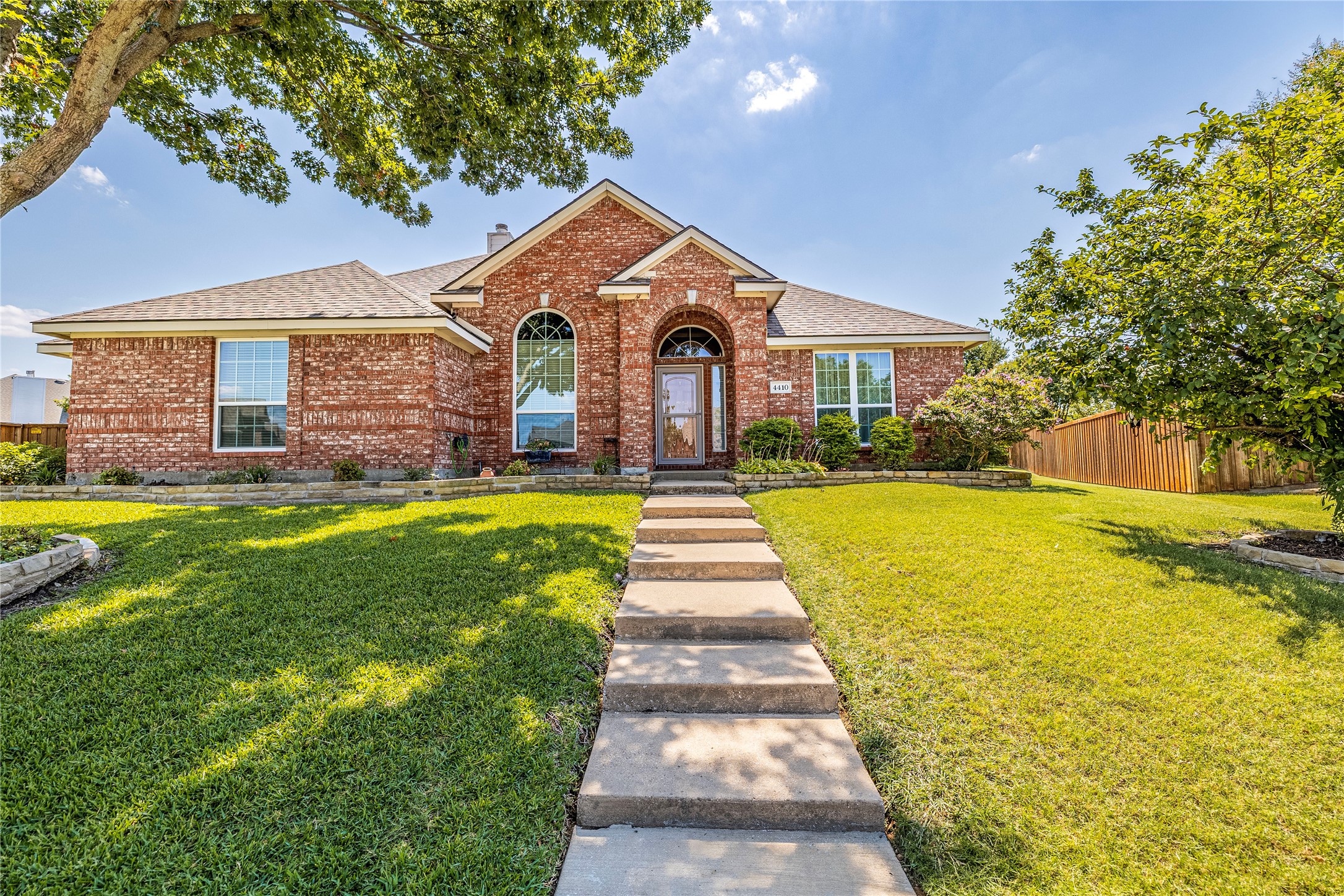
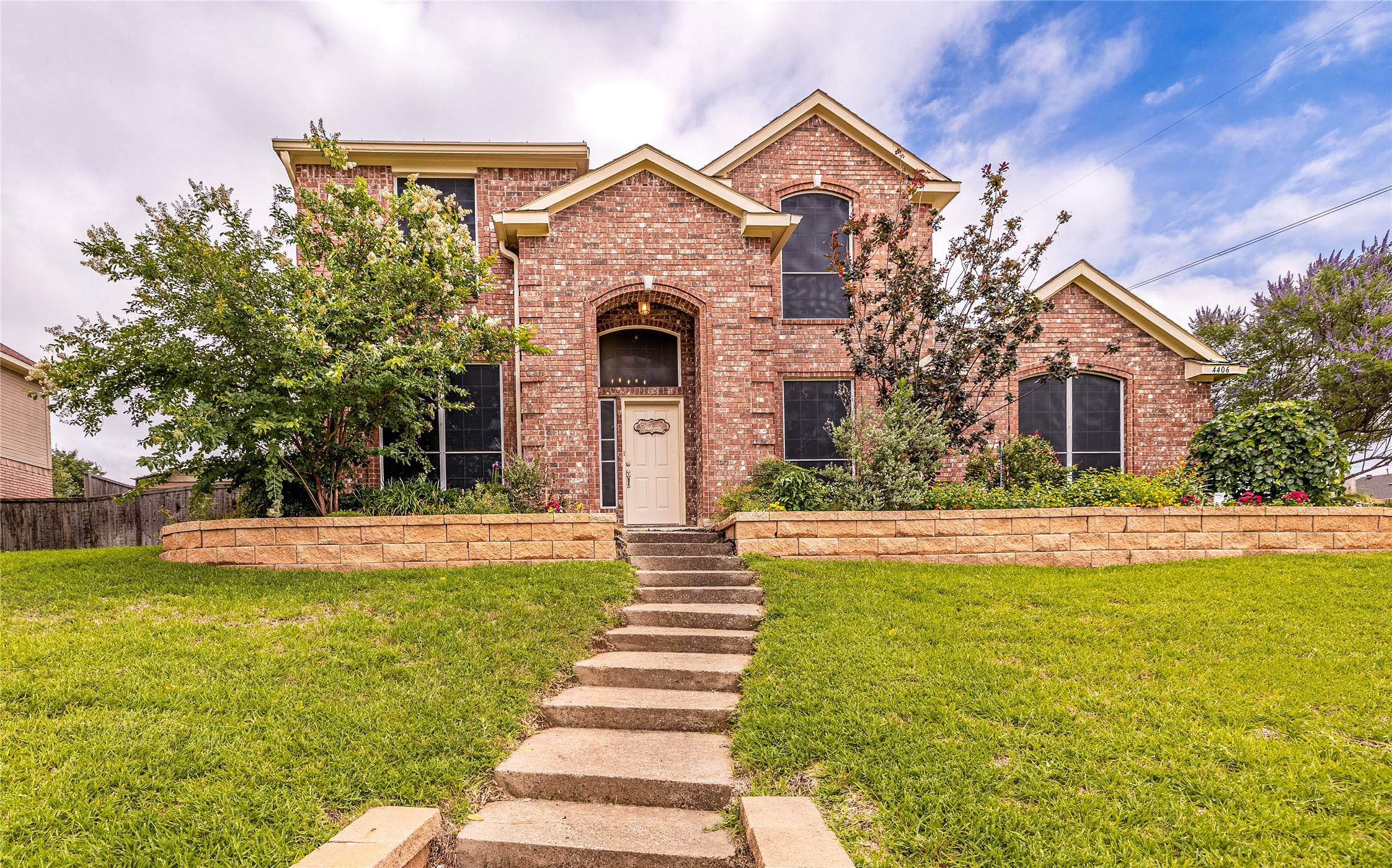
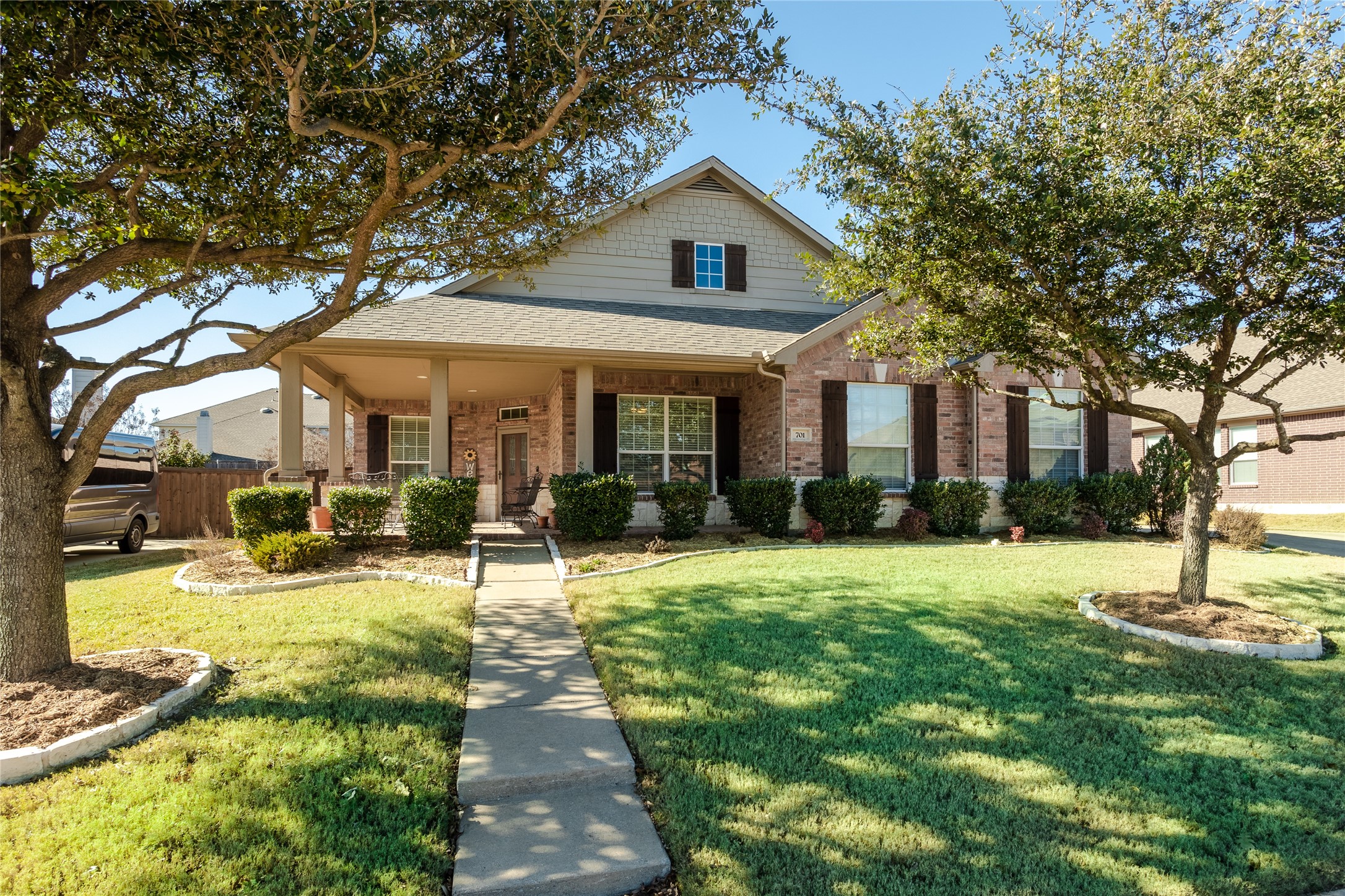
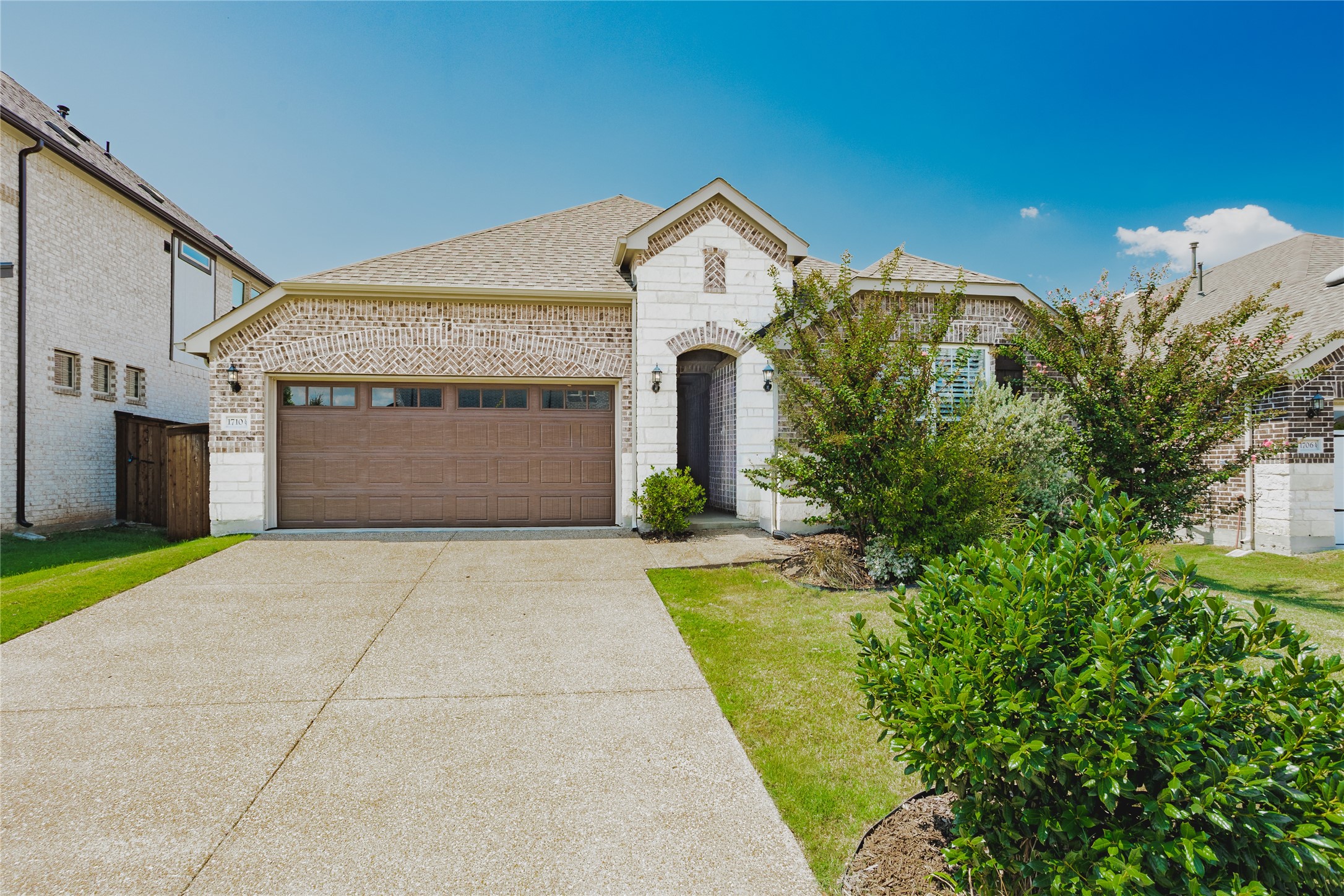
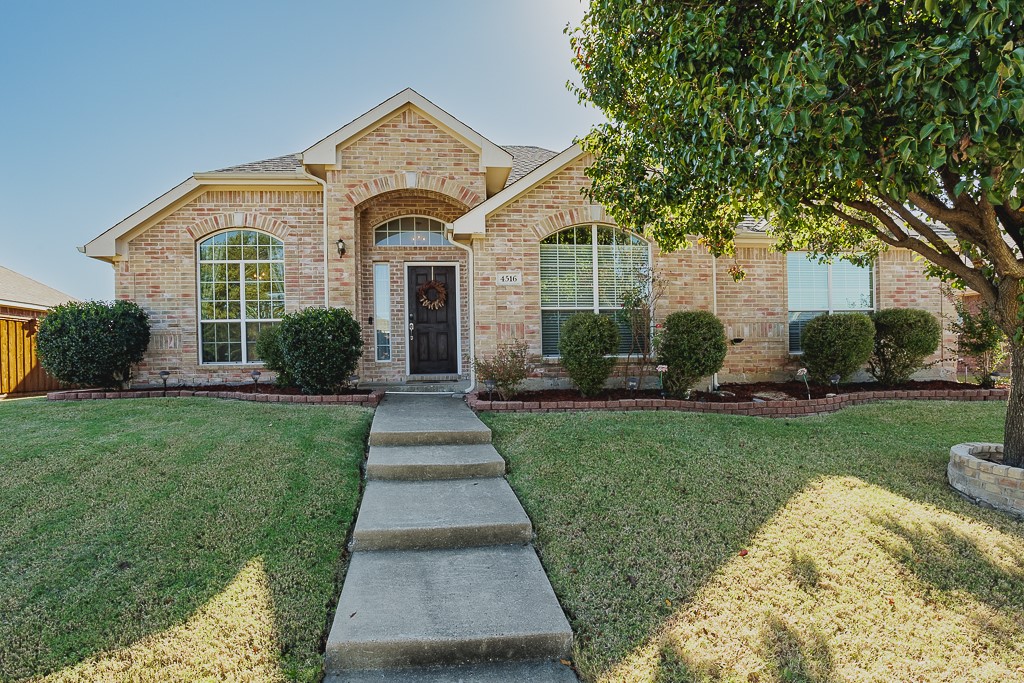
The residential portion of The Station includes both detached single-family houses and attached townhomes.
The overall streetscape is newer and more compact than you'll find in many of Sachse's established subdivisions.
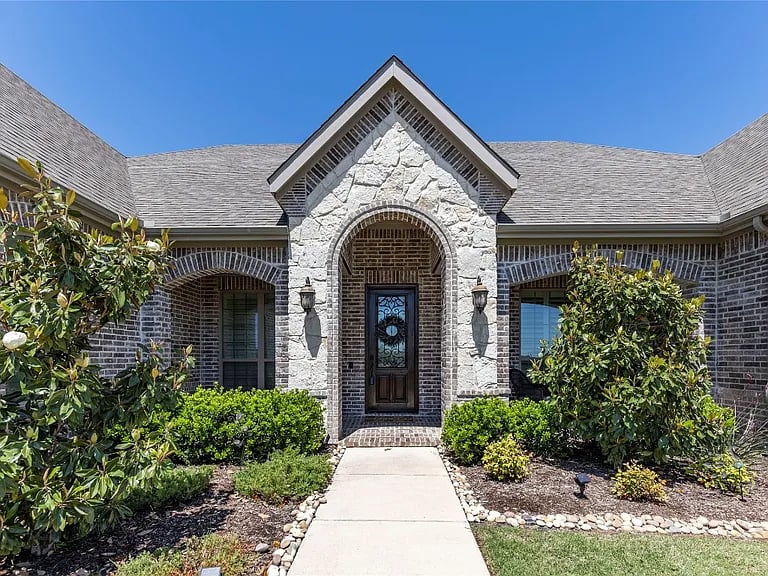
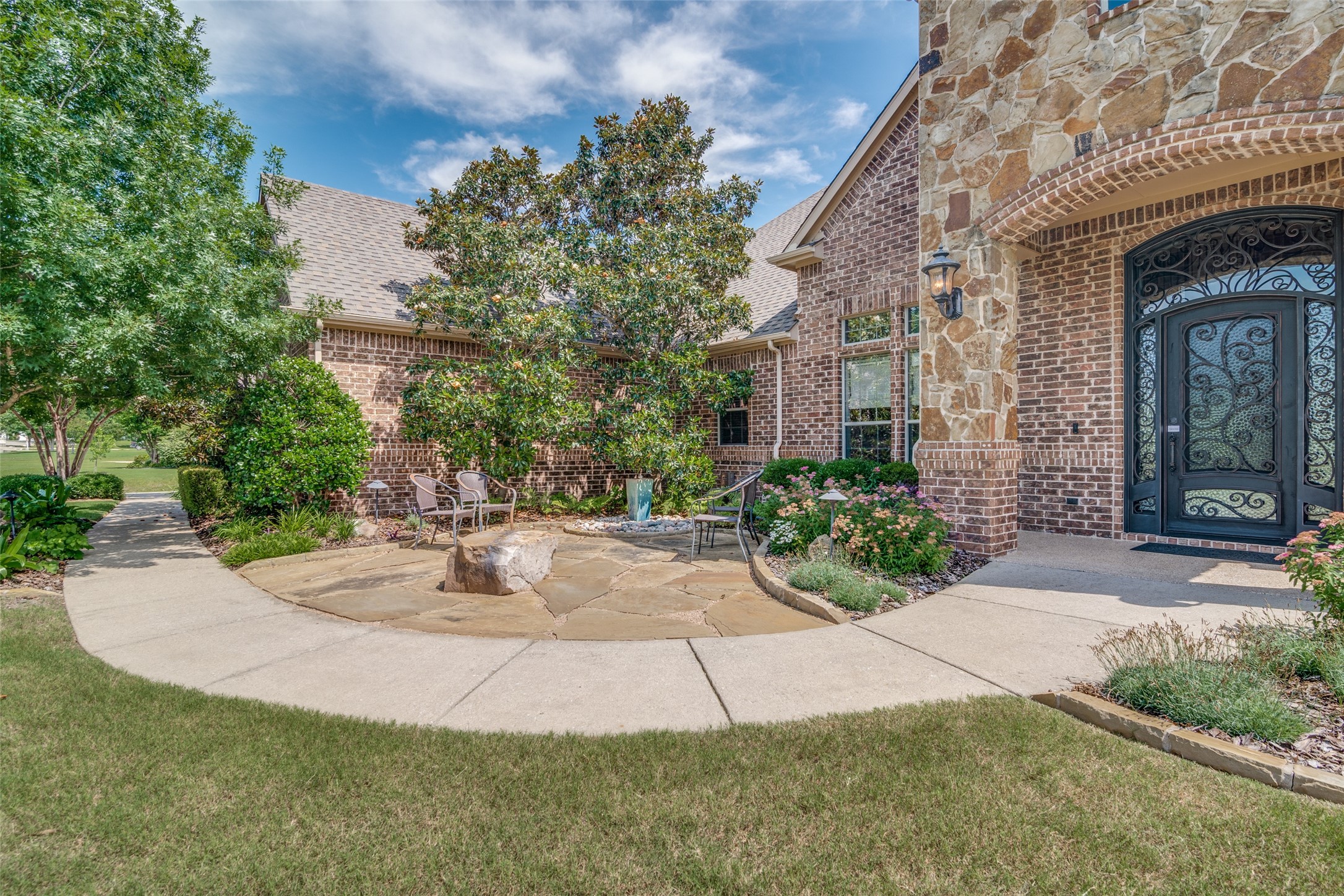
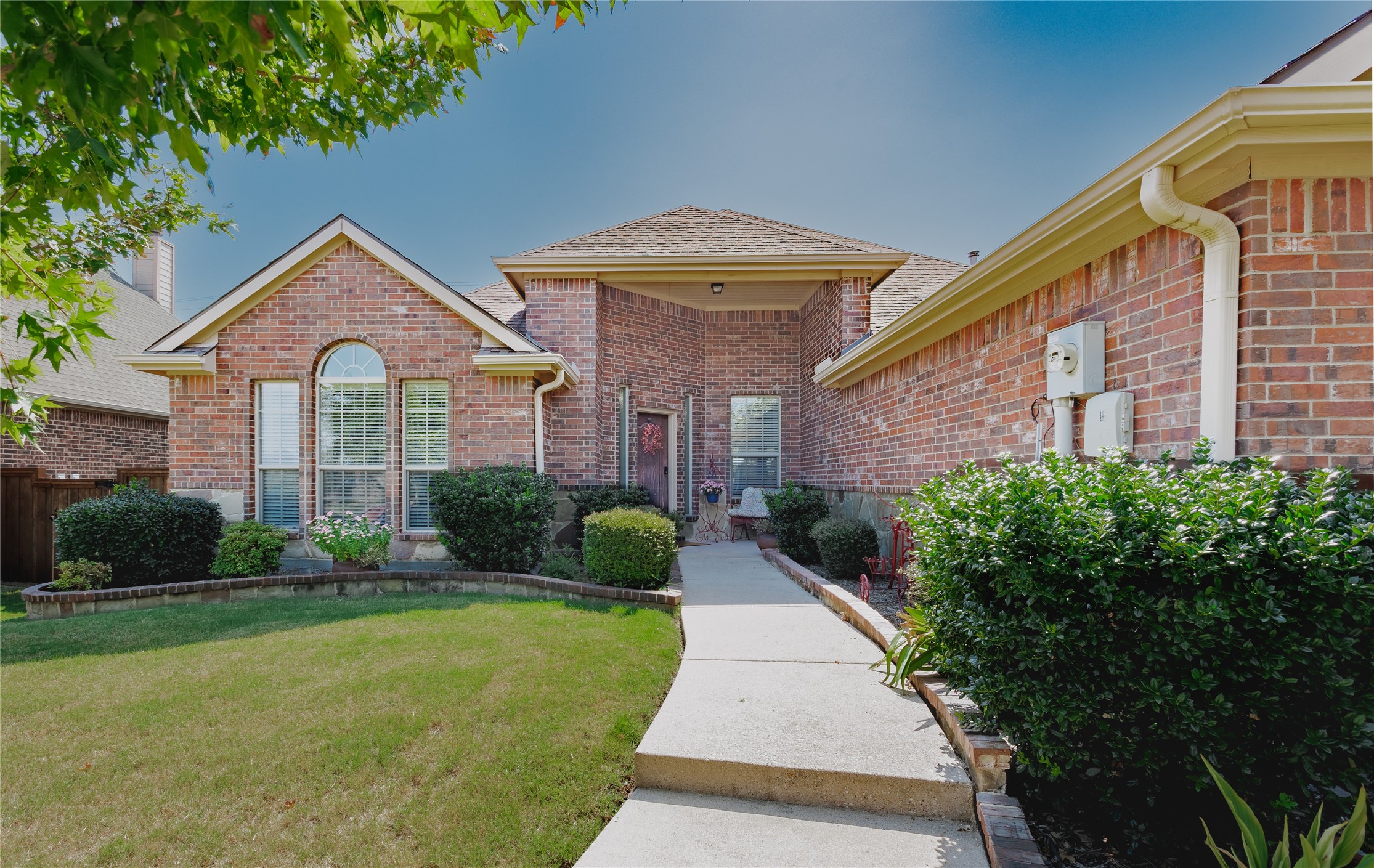
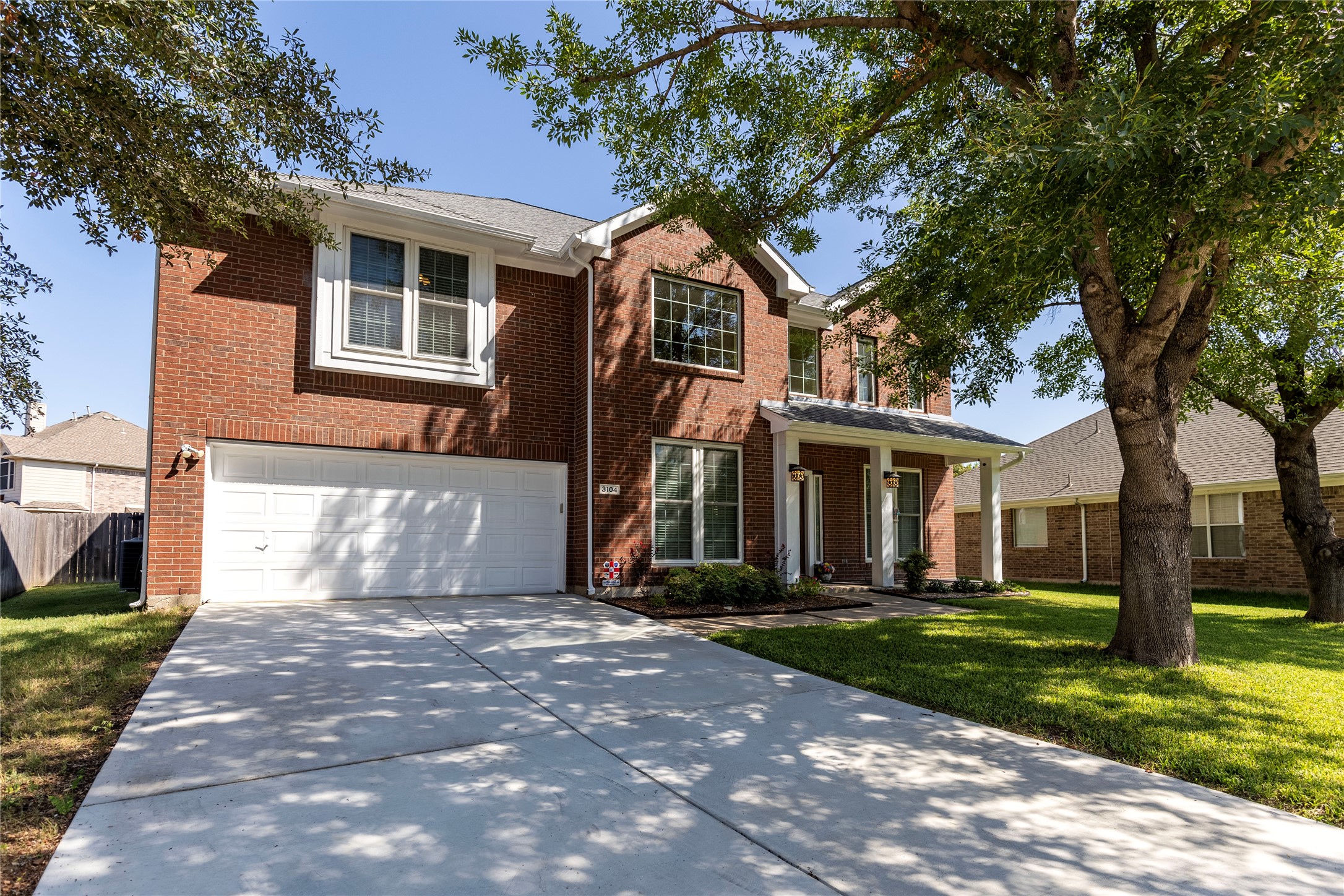
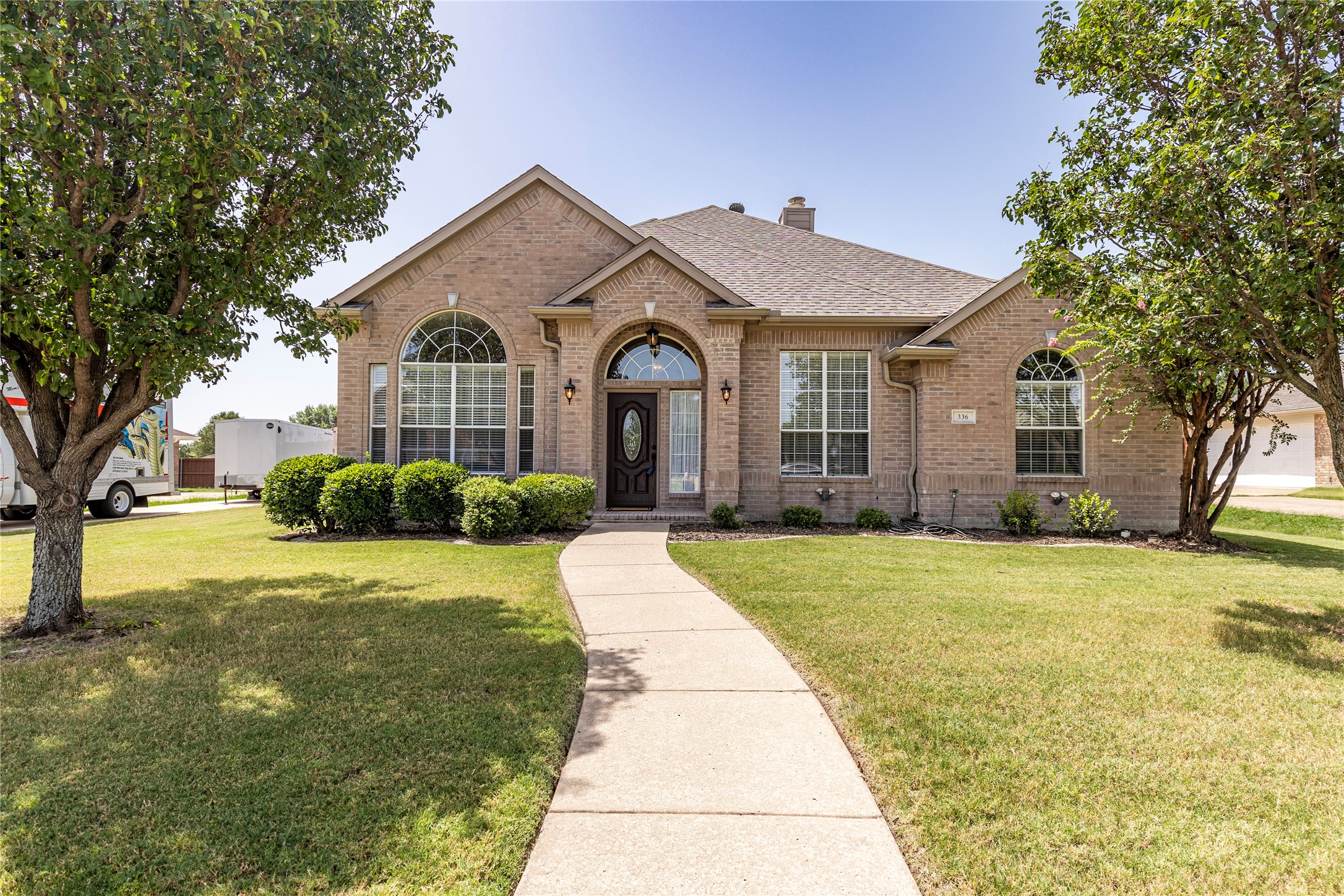
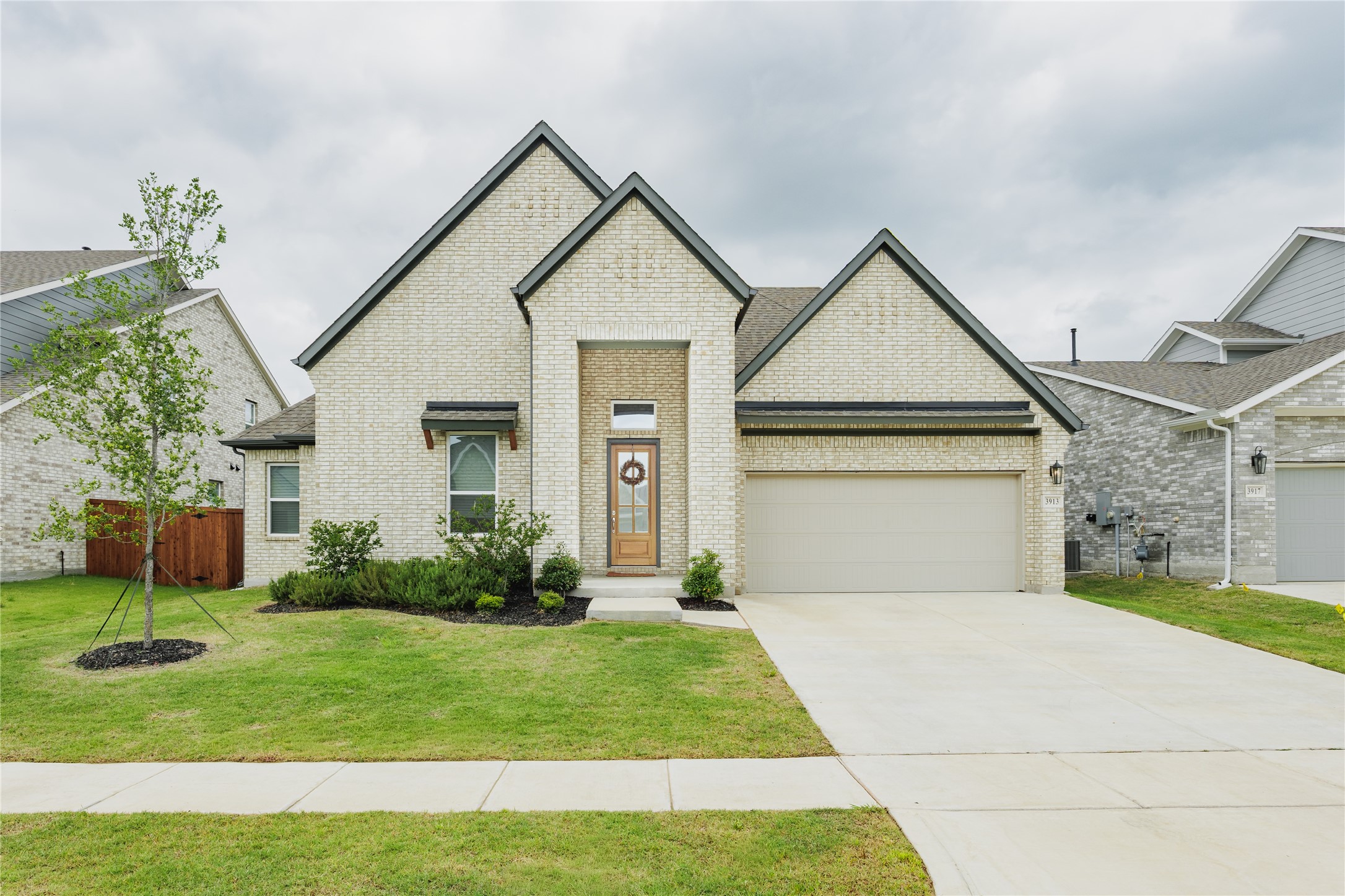
You'll see contemporary interpretations of traditional North Texas architecture, combinations of brick, masonry and siding, sidewalks, relatively close spacing between homes and lots designed around a denser development pattern.
And that density is worth talking about plainly.
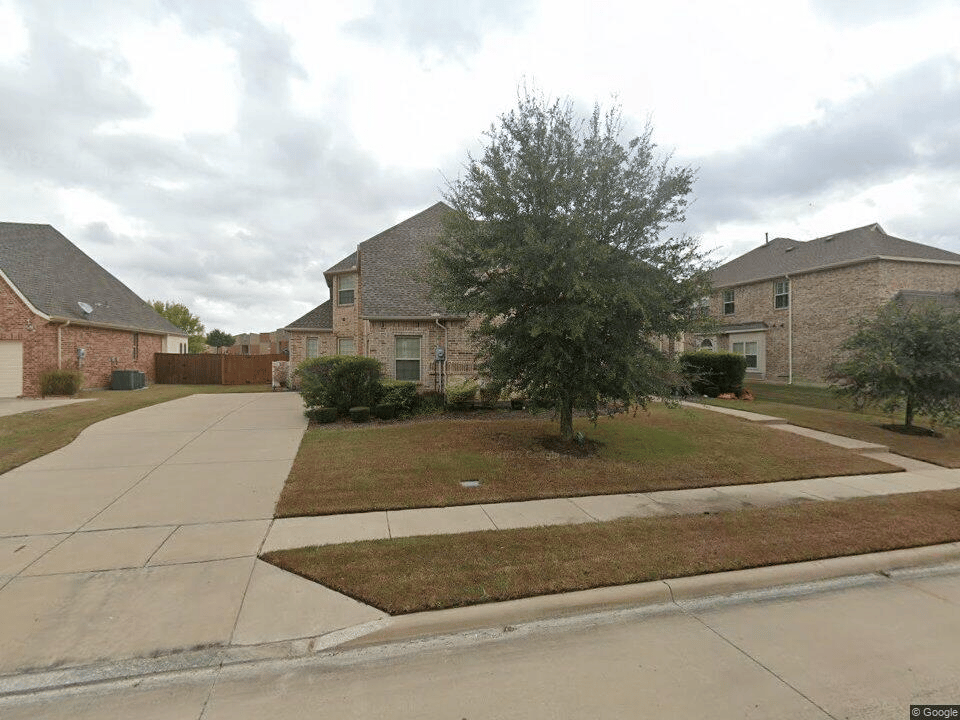
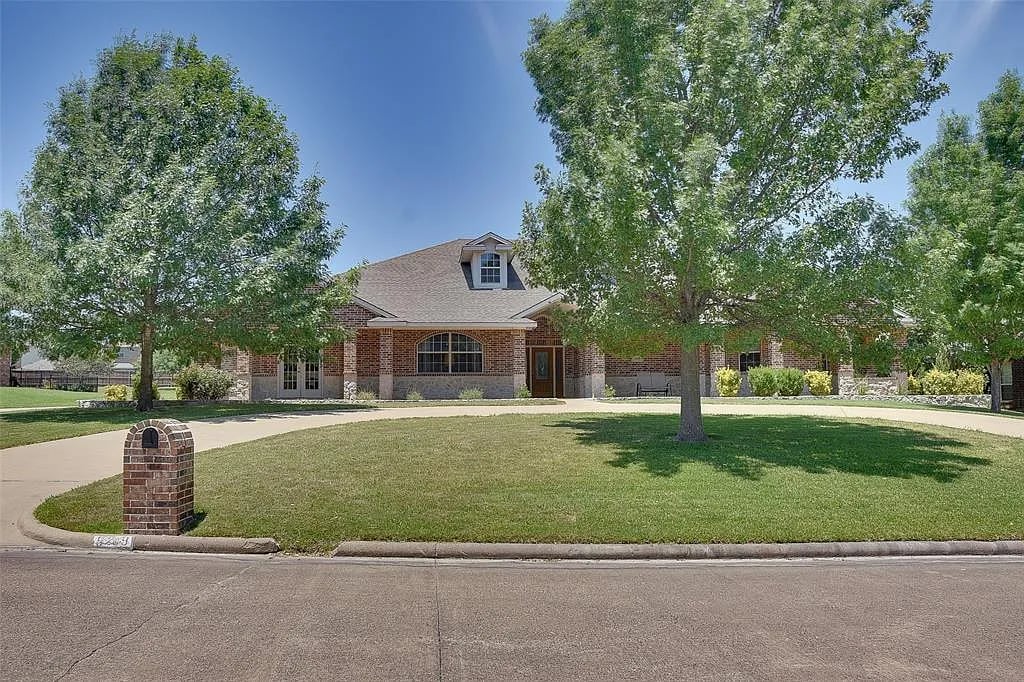
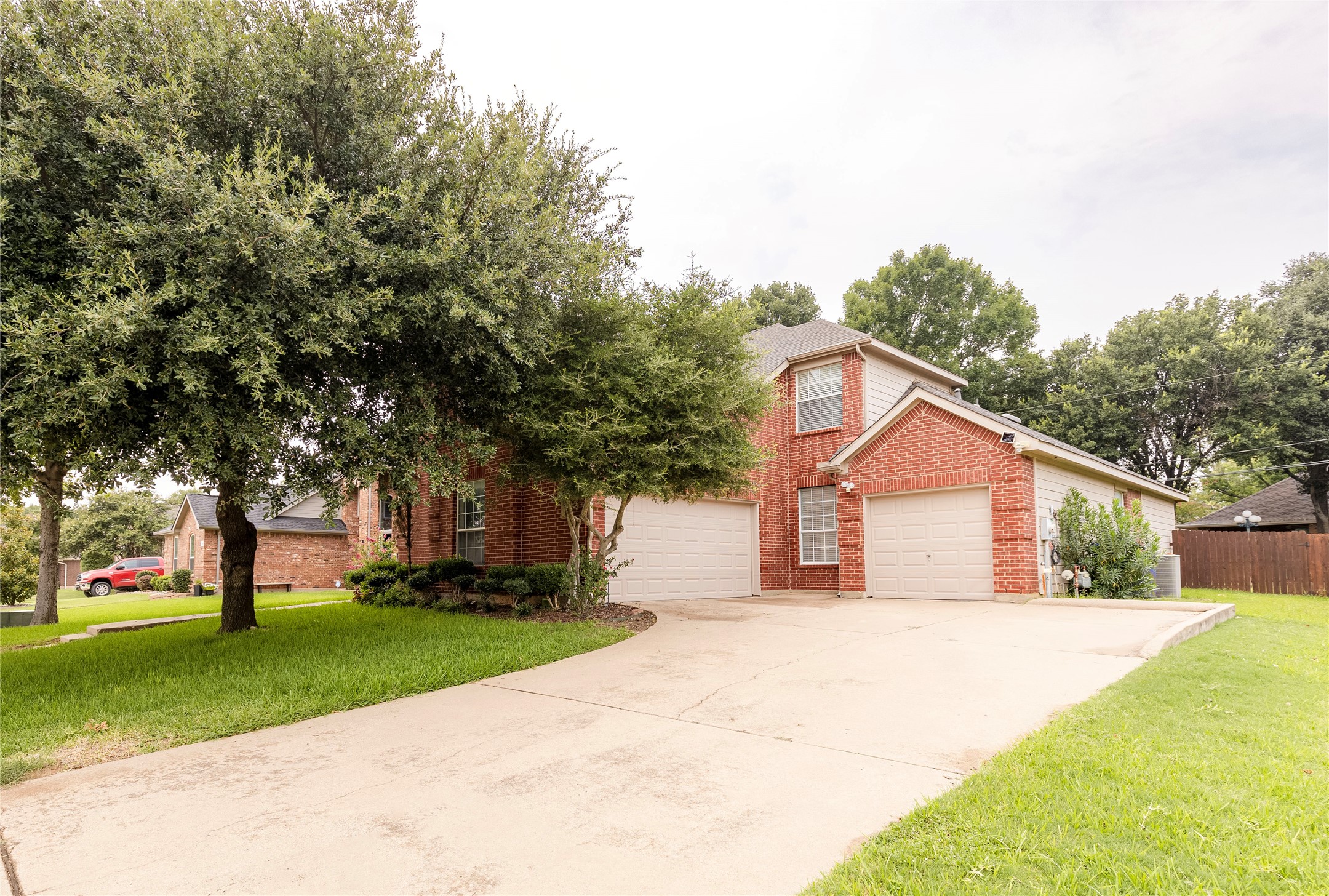
These generally aren't the large suburban lots that some buyers associate with Sachse.
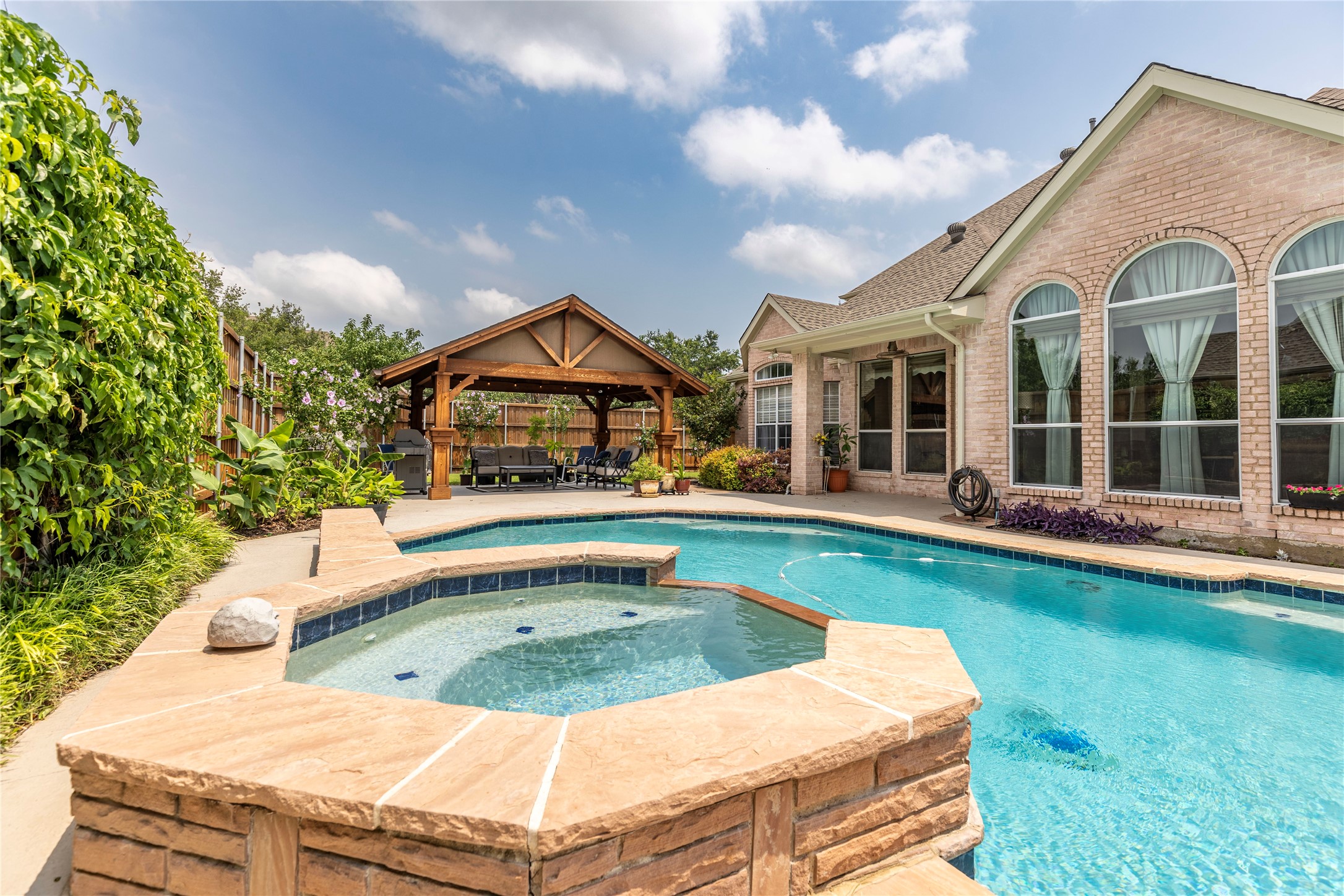
The yards tend to be smaller, and neighboring homes can be relatively close.
For someone who doesn't want to spend a large part of Saturday maintaining a yard, that can be a positive.
For someone whose wish list starts with a large backyard and substantial separation from neighboring houses, it may be a compromise.
Neither preference is wrong.
What matters is recognizing that you're trading some private lot space for a neighborhood where parks, sidewalks and commercial destinations are more integrated into the overall plan.
I also recommend paying close attention to the location of the individual house.
A home closer to Heritage Park provides a different experience from one closer to commercial activity. A property near a larger road can feel different from one farther into a residential section.
With a development like The Station, I don't think it's enough to say, “I like this floor plan.”
I want to know what's behind the house, what's across the street, where visitors tend to park, how you get in and out, and what the surrounding area feels like at different times of day.
If there's one physical feature that really helps define The Station, it's Heritage Park.
And there's an important detail buyers should understand:
Heritage Park is a City of Sachse public park. It isn't a private amenity reserved exclusively for homeowners in The Station.
The park was already part of Sachse, but its major redevelopment was tied closely to the development of The Station. The renovated park opened in 2024 and substantially changed this part of the city.
Today, Heritage Park provides a large recreation area with walking and jogging space, playground features, a splash pad, amphitheater, event areas and other park facilities.
For someone living in The Station, the advantage is pretty obvious.
Instead of a small neighborhood greenbelt being your primary outdoor amenity, you have a substantial city park immediately adjacent to the residential district.
But I also want buyers to understand the other side of that.
Public means public.
People from outside The Station use Heritage Park. Community activities can bring additional visitors into the area. An event at the park creates a different atmosphere than a quiet weekday afternoon.
If you're looking at a house immediately adjacent to the park, don't just ask, “How close can I get to the trail?”
Also ask, “How do I feel about being this close when something is happening here?”
That's the kind of question that's difficult to answer from a listing photograph.
Heritage Park gets most of the attention, but it isn't the only green space associated with The Station.
The Commons Park is a smaller public park located within the development.
It provides another recreation and gathering space closer to some of the residential areas, with features including a pavilion, picnic areas and playground space.
I think the distinction between the two parks is useful.
The Commons is more neighborhood-scale.
Heritage Park is the larger community destination.
Together they help compensate, at least in part, for the smaller private yards found throughout much of the residential development.
That doesn't make public green space equivalent to having a large backyard. They're different things.
But if you would rather use a trail, park or common recreation space than maintain a large private lawn, that difference may work in your favor.
“Mixed-use” is one of those real estate terms that can sound more impressive than it explains.
Here's what it means at The Station.
Housing isn't isolated from everything else.
The larger development includes restaurants, services, commercial space, medical uses, apartments and public recreation along with detached houses and townhomes.
That creates more opportunities to have certain destinations close to home.
It also creates more activity.
You'll have people coming into the district who don't live here. You'll have restaurant traffic, medical traffic, apartment residents, park visitors and people simply passing through.
That's fundamentally different from living on a residential street where almost every vehicle belongs to someone who lives in the neighborhood or is visiting a house there.
For some buyers, that extra activity is exactly what makes The Station interesting.
For others, it's a reason to choose a quieter residential setting.
This is one of those situations where I recommend visiting more than once.
Drive through on a weekday morning.
Come back in the evening.
See what the area feels like when restaurants and parks are being used.
A neighborhood should make sense for the way you actually live, not just for the fifteen minutes you're there looking at a house.
Compared with many traditional suburban neighborhoods around Sachse, The Station provides more opportunities to connect housing with parks and some commercial destinations on foot.
But I would not describe this as a place where most people can give up their car.
We're still in North Texas.
Your workplace, grocery shopping, appointments and most regional destinations are likely to involve driving.
Where The Station does something different is at the neighborhood level.
You have sidewalks, public green spaces and commercial uses relatively close to residential areas. Depending on exactly where you live and where you're going, some trips within the district may be practical on foot.
So I think “more walk-connected” is more accurate than simply calling The Station walkable.
If true car-free living is one of your non-negotiables, I wouldn't try to sell you on this as an urban substitute.
If you simply like being able to get outside and reach a park, restaurant or nearby destination without automatically getting into the car, that's a more realistic reason to consider it.
Location is simultaneously one of The Station's biggest advantages and one of the things buyers need to evaluate carefully.
The development sits directly along the President George Bush Turnpike.
That provides a major regional connection toward Garland, Richardson, Plano and other parts of the Metroplex.
For someone whose regular travel lines up well with George Bush, that can be very useful.
But remember that PGBT is a toll road.
If you're going to use it twice a day, five days a week, tolls are part of the cost of living in that location. I wouldn't ignore that expense when comparing two houses simply because it isn't printed on the mortgage estimate.
There's also road noise.
Don't try to determine that from Google Maps.
Stand outside the actual house you're considering and listen.
House orientation, distance, intervening buildings and other physical conditions can make the experience different from one property to another.
The Station also has its own internal traffic considerations because it contains more than housing. In 2026, the City of Sachse completed a traffic and pedestrian study of the development and approved additional improvements.
That is exactly the type of information I would verify with the City at the time you're considering a purchase, because road improvements and traffic patterns can change.
One of the advantages of a mixed-use development is that commercial space is part of the district itself.
The Station has restaurants and services within the development, along with medical uses including Medical City Sachse.
I'm deliberately not going to give you a giant list of every business here.
Businesses change.
A neighborhood guide written around a tenant list can become outdated surprisingly quickly.
The more useful fact for a homebuyer is that The Station was designed to include commercial destinations rather than putting every restaurant and service several miles away from the houses.
For broader shopping and errands, residents also have access to established commercial corridors throughout Sachse, Garland, Wylie and the surrounding area.
Whether that's convenient for you depends on where you actually go.
I always recommend putting your real destinations into a map: work, grocery store, medical providers, recreation, places you visit regularly.
That's much more useful than somebody telling you everything is “minutes away.”
The Station is within Garland Independent School District.
Several GISD campuses are located near this part of Sachse, but here's the important part:
Do not assume that the campus closest to the house determines enrollment.
Garland ISD has enrollment and school-choice procedures that buyers need to understand separately from simply looking at a map.
That means I don't want you purchasing a house because a listing website shows a particular school without verifying the information yourself.
Take the exact address you're considering and check directly with Garland ISD.
School boundaries, programs and enrollment procedures can change, and third-party real estate websites don't control any of them.
I also don't rank school districts for buyers.
I can explain where a property is located, show you where to find the district information and help you identify the questions to ask. You should review the programs and enrollment information that matter to you directly with the district.
The Station has an owners association, and this is another area where the exact property matters.
Detached houses and attached townhomes can have different association fees and different maintenance responsibilities.
The developer currently publishes HOA information online, but HOA dues are one of those numbers I don't like putting permanently into an evergreen neighborhood article because they can change.
Instead, when you're actually considering a property, get the current documents.
Find out what the dues are for that house.
Find out what they cover.
For a townhome in particular, understand where the owner's responsibility stops and the association's responsibility begins.
Ask about exterior maintenance, landscaping, insurance responsibilities, parking, architectural restrictions, leasing rules and any other provision that matters to the way you plan to use the property.
An HOA isn't just a number on a disclosure.
You're agreeing to a set of rules and responsibilities, so read them.
This is probably the ownership issue most likely to surprise someone who hasn't purchased in a PID before.
The Station is located within Sachse Public Improvement District No. 1, commonly shortened to PID.
The PID was created in connection with development of this area and is used to fund qualifying improvements and services within the district.
Here's what that means from a buyer's perspective.
A property within The Station can have a PID assessment in addition to the expenses you're probably already thinking about: mortgage principal and interest, property taxes, homeowners insurance and HOA dues.
So imagine you're comparing two Sachse homes at roughly the same purchase price.
One is in The Station.
The other is somewhere without a comparable PID assessment.
If you only compare sale price and mortgage payment, you haven't finished the comparison.
You need to know the current taxes.
You need the current HOA amount and what it covers.
And for the Station property, you need the property-specific PID information.
How much remains?
How is it being collected?
Has anything been prepaid?
What does the total annual ownership picture look like when you put all of those expenses together?
The Station's own published information notes that the PID assessment is levied on properties within the district and may be prepaid.
But I don't want you relying on a generic number from a neighborhood article for a specific purchase.
Get the documents for the house you're actually buying.
That's the number that matters.
The Station has some very clear strengths, but it also asks you to make some very clear tradeoffs.
The lots are more compact.
That can mean less private yard maintenance. It also means less private yard.
The neighborhood is more active.
Restaurants, apartments, medical uses and public parks bring people into the district who don't live in the detached-home sections.
Heritage Park is close.
That's a substantial recreation benefit, but it's a city park, not a private HOA facility.
PGBT is close.
That can make regional travel easier, but it also means toll expenses and potential road-noise considerations.
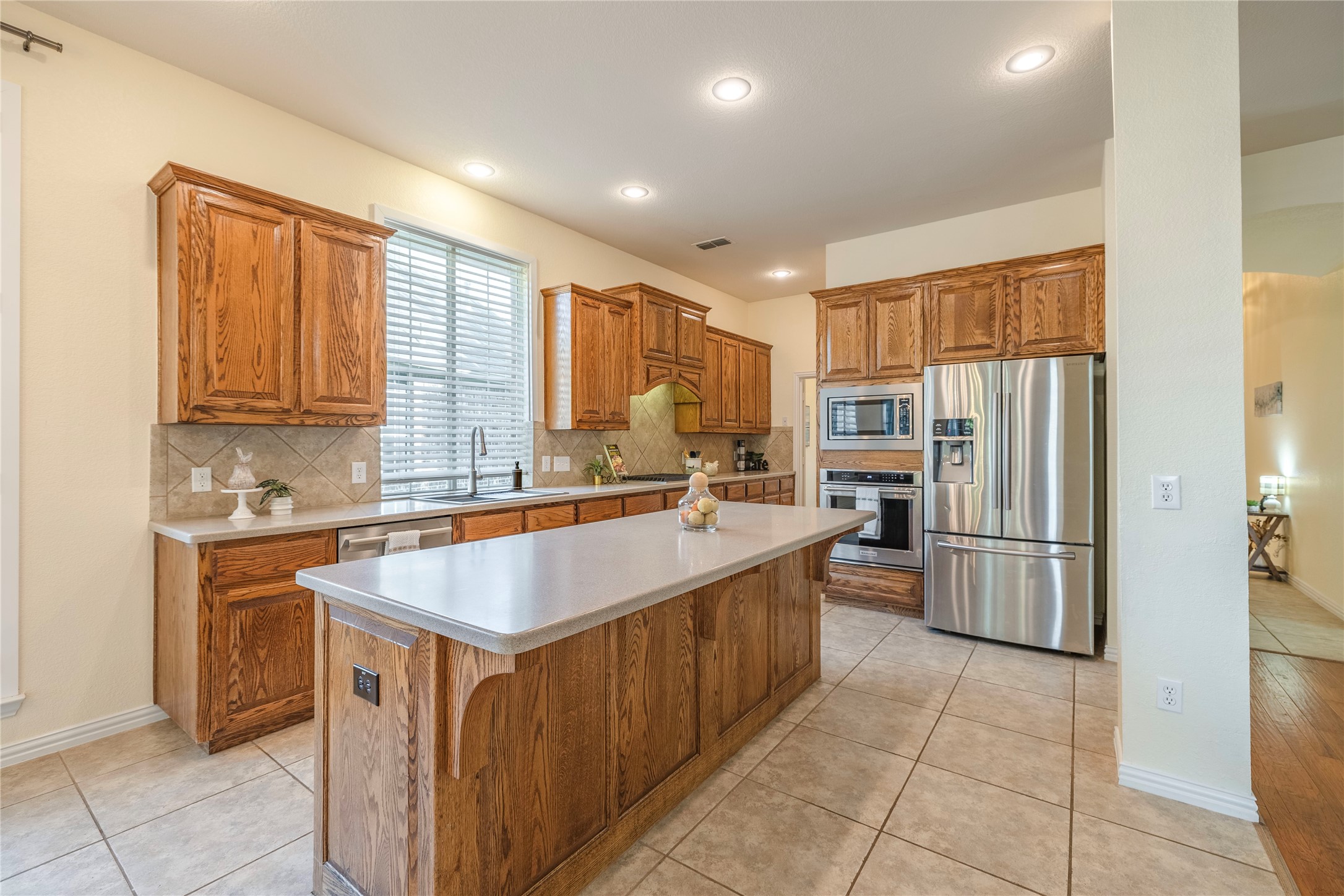
The housing is relatively recent.
Buyers who like newer floor plans and construction may appreciate that. Buyers who want mature landscaping and the feel of a decades-old neighborhood may prefer somewhere else.
There's a PID.
That doesn't tell you whether you should or shouldn't buy here. It tells you that you need to understand the complete ownership cost before comparing properties.
These aren't defects disguised as disclaimers.
They're simply the realities that make The Station different.
I think The Station is worth comparing if your property priorities include newer construction, a more compact lot, sidewalks, nearby public recreation and having some restaurants and services incorporated into the larger development.
It also deserves a look if PGBT access fits the places you travel regularly.
On the other hand, if the first things on your list are a large private backyard, wider separation between houses, very little nearby commercial activity or more distance from a major tollway, I would compare The Station with some of Sachse's more conventional residential neighborhoods.
That's one of the benefits of looking in Sachse.
You don't have to force one neighborhood type to fit every buyer.
You can compare very different environments within a relatively small geographic area.
It's really both. The Station contains detached homes and townhomes, but those residential areas are part of a larger mixed-use district containing apartments, parks, restaurants, medical uses and other commercial development.
The Station is located along the President George Bush Turnpike on the south side of Sachse, generally between the Miles Road and Merritt Road areas.
Yes. The residential portion includes detached single-family houses as well as attached townhomes. The larger development also contains multifamily housing.
Yes. Properties within The Station are subject to association requirements. Dues and responsibilities can differ by property type, particularly between detached homes and townhomes, so buyers should review current documents for the specific property.
The Station is within Sachse Public Improvement District No. 1. Properties within the district can have a PID assessment used to fund qualifying improvements and services. Buyers should obtain the current assessment information for the individual property and include it when calculating total ownership costs.
No. Heritage Park is a City of Sachse public park. Its location is closely integrated with The Station, but it is available to the public rather than being reserved exclusively for Station homeowners.
The Station is within Garland Independent School District. Buyers should verify the exact address and current enrollment procedures directly with Garland ISD before making a purchase based on school access.
The design provides sidewalks and closer connections among residential areas, parks and some commercial destinations than many conventional suburban neighborhoods. However, most residents will still rely on a vehicle for many everyday and regional trips.
The City of Sachse reported in June 2026 that the residential areas of The Station were fully built out. Commercial tenants and uses can continue to change, so current businesses and any proposed future development should be verified at the time you're considering the area.
I would pay particular attention to the specific home's location, lot and parking configuration, proximity to commercial activity and PGBT, current HOA documents, property-specific PID assessment, current taxes and Garland ISD enrollment information.
The Station is one of the more interesting examples of how Sachse is changing.
It's newer and denser than many of the city's traditional subdivisions. Instead of separating housing from everything else, it puts detached homes and townhomes within a larger district containing apartments, public parks, restaurants, services and medical uses.
Heritage Park gives the area a substantial recreation component.
PGBT gives it strong regional road access.
The smaller lots can reduce the amount of private outdoor space you're responsible for maintaining.
And the mixed-use layout gives you more activity and nearby destinations than you'd typically find inside a conventional subdivision.
But every one of those features has another side worth considering.
The park is public. The Turnpike is tolled. Smaller yards mean closer housing. Mixed-use means more activity. And the PID means the purchase price doesn't tell you the whole ownership-cost story.
That's why I wouldn't tell you The Station is “better” than another Sachse neighborhood.
It's different.
And if the way it's different matches what you're looking for in a property and location, then it's absolutely worth putting on your comparison list.
If you're considering buying a home in The Station, I can help you compare individual properties and, just as importantly, compare The Station with other neighborhoods around Sachse.
Sometimes the most useful thing we can do is look at two very different neighborhoods on the same day.
You may find that you prefer newer construction and a smaller lot near Heritage Park. Or you may realize that you'd rather have more private yard space and less commercial activity nearby.
Either answer is useful before you buy.
I'm Jeanie Marten with Jeanie Marten Real Estate. I've been helping buyers and sellers in Sachse and the surrounding North Texas communities for years.
You can reach me at 972-414-0719 or visit MartenTeam.com.
Neighborhood information changes over time. Buyers should independently verify property-specific HOA dues and governing documents, PID assessments, taxes, school enrollment information, utilities and other information important to a purchase with the appropriate association, City of Sachse, Garland ISD, taxing authorities and other primary sources.
Browse communities across Northeast Dallas and find the one that fits your lifestyle best.
ADDRESS 6306 HIGHWAY 78 SACHSE, TX 75048
CONTACT OUR TEAM
Send us a quick message, and a Jeanie Marten Real Estate professional will get right back to you.
ADDRESS 6306 HIGHWAY 78 SACHSE, TX 75048
CONTACT OUR TEAM
Send us a quick message, and a Jeanie Marten Real Estate professional will get right back to you.